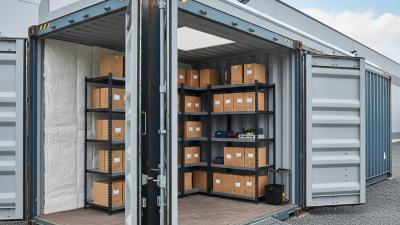
2026 Best 20 ft Sea Container Prices for Global Buyers
Buying a 20 ft sea container in 2026 is rarely as simple as comparing two online prices. Global buyers receive different quotations from manufacturers, depots, leasing companies, and freight agents. A low factory price may exclude inland delivery, inspection, port handling, or export documentation. A higher quote may include useful services, but not always better steel, doors, or flooring. Details matter.
This guide introduces realistic price ranges and the conditions behind them. It considers new one-trip units, used shipping containers, cargo-worthy grades, and storage-grade alternatives. Readers will see how origin, corrosion, paint systems, documentation, market demand, currency movement, and seasonal freight capacity influence the final budget. A buyer in Rotterdam may receive a very different landed cost from someone in Lagos, Vancouver, or Brisbane. The container itself is only part of the purchase.
The discussion follows practical checks used in responsible procurement. Confirm dimensions. Inspect corner castings. Review door seals. Ask for recent photographs and a written breakdown of every charge. Supplier reputation and inspection evidence deserve more attention than polished sales language. Price tables can mislead. Exchange rates change. Port fees move. Even experienced buyers sometimes underestimate local delivery, especially when a truck needs a side-loader or restricted-site access. These estimates should guide questions, not replace a verified quotation. Comparing specifications, delivery terms, and after-sale support together can support a clearer 2026 decision, even when the market remains uneven and imperfect.
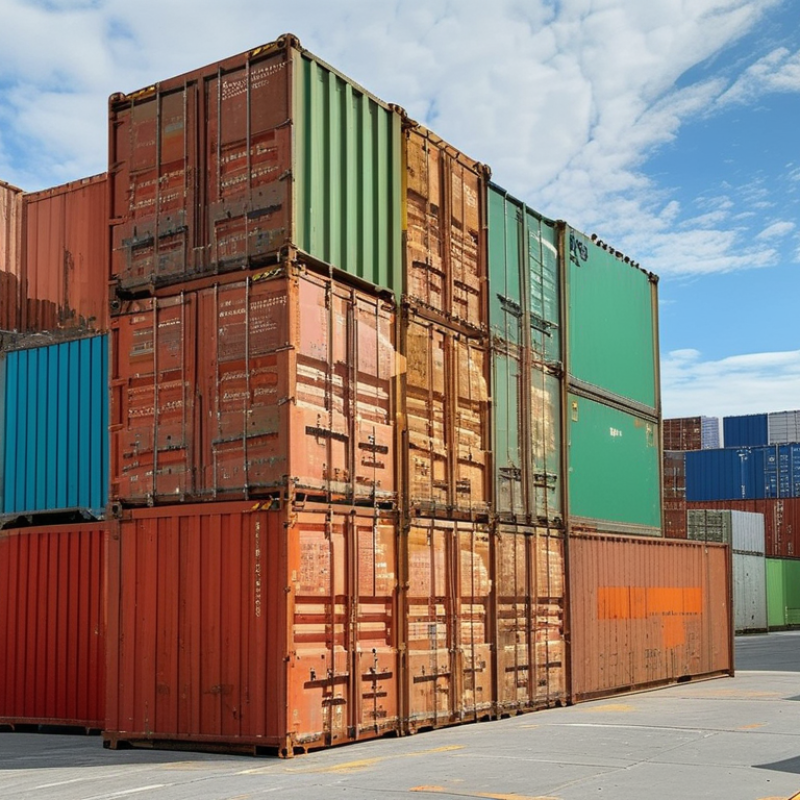
20-Foot Sea Container Types and Their Main Uses
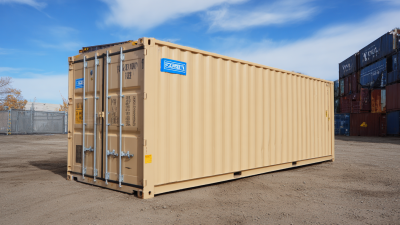
A 20-foot standard dry container remains the practical choice for boxed goods, furniture, tools, and palletized cargo. Its external length is about 6.06 meters, with a typical width near 2.44 meters. Internal height usually reaches 2.39 meters. Buyers should check the floor condition, door seals, corner posts, and corrosion before comparing prices. A low price can hide expensive repairs.
A 20-foot high-cube container provides extra vertical space, usually about 30 centimeters more. It suits lightweight cargo, retail fixtures, and bulky packaging. Refrigerated containers protect temperature-sensitive food, flowers, and medical supplies. They require reliable electricity, regular servicing, and careful temperature testing. The unit may look clean but still have a weak cooling system. That mistake is easy to make.
Open-top containers handle tall cargo that cannot pass through standard doors. They work well for timber, industrial parts, and loading by crane. Flat-rack containers support wide machinery and heavy equipment, but securing points need close inspection. Tank containers carry approved liquids under applicable transport rules. Buyers should review the CSC plate, inspection records, payload rating, and delivery route before payment. Local handling limits can change the final cost. Photos help, but physical inspection remains more dependable.
2026 Best 20 ft Sea Container Prices for Global Buyers
20-Foot Sea Container Types and Their Main Uses
Indicative 2026 global market ranges in USD per unit, excluding inland delivery, customs duties, taxes, inspection, and site preparation. Actual prices vary by condition, certification, location, and freight availability.
Standard Dry
General cargo, storage, export shipments, and construction-site use.
High Cube Dry
Taller cargo, bulky goods, equipment, and modified storage units.
Open Top
Heavy or oversized cargo loaded by crane, including machinery and scrap.
Flat Rack
Heavy, wide, or irregular cargo such as industrial equipment and vehicles.
Refrigerated
Temperature-controlled food, pharmaceuticals, and perishable products.
Tank Container
Bulk liquids, chemicals, food-grade liquids, and regulated products.
Regional Price Differences for Global Buyers
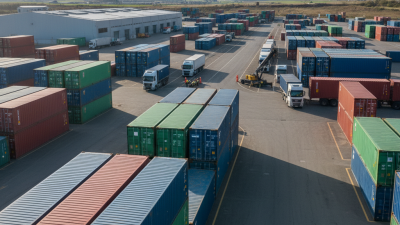
Regional price differences shape every 20 ft sea container purchase in 2026. A new container in Chinese export hubs may cost about $1,800–$2,600. Cargo-worthy units often sell for $900–$1,700. In Northern Europe, comparable units can reach $2,200–$3,500. Prices in the United States may exceed $3,000 because inland delivery, storage, and repositioning add expense. Location changes everything.
The 2025 container market analysis published by Container xChange shows stronger equipment availability in major Asian ports than in several European and North American inland markets. Its price tracking also indicates wider spreads between depot-gate prices and delivered prices. The Review of Maritime Transport 2024 recorded 2.4% maritime trade growth in 2023. More cargo usually increases demand for available equipment. However, this relationship is uneven. Prices move fast.
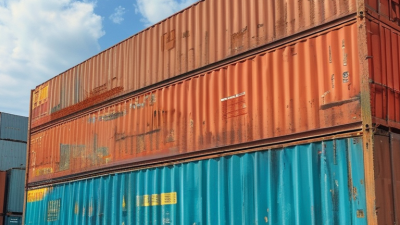
Buyers should compare the depot address, manufacturing year, CSC validity, floor condition, and delivery mileage. A $1,400 unit may become a $2,300 purchase after trucking and crane charges. Drewry’s World Container Index also shows how quickly ocean freight costs can shift during route disruption and capacity changes. Freight rates do not equal container sale prices, but they influence repositioning decisions. Ask for the depot gate price. Then request a delivered quotation in writing. Regional averages remain useful, yet they can hide rust, weak doors, or inspection delays. That is where many budgets fail.
How to Compare Suppliers, Quality, and Total Purchase Costs
2026 Best 20 ft Sea Container Prices for Global Buyers
A 20 ft container does not have one global price. Location, age, certification, and delivery distance can change the final invoice sharply. ISO 668 sets the standard external length at 6.058 metres and width at 2.438 metres. However, internal condition still varies between suppliers. A wind-and-water-tight used unit may cost less than a new one, but repairs can quickly erase that saving.
Compare quotations line by line. Check the manufacturing year, tare weight, floor condition, door seals, corner castings, and valid CSC safety plate. Ask for recent inspection photos, not only catalogue images. The UNCTAD Review of Maritime Transport 2024 reported continuing disruption and higher shipping-cost volatility. Therefore, inland trucking, port handling, documentation, tax, and storage deserve separate attention. The World Bank Logistics Performance Index 2023 also highlights major differences in customs and logistics performance between markets. A cheaper port price may create a slower, more expensive purchase.
Tips: Request a landed-cost sheet from at least three suppliers. Confirm whether delivery includes unloading. Ask for the container number before payment. Recalculate currency exchange and storage fees. A perfect spreadsheet can still miss local crane charges. I have seen “new” units with minor dents, so inspection remains essential. Do not judge quality from paint alone. Fresh paint can hide corrosion.
Shipping, Import Duties, and Delivery Planning for 2026
A 20-foot sea container can look affordable until shipping, import duties, and delivery costs enter the 2026 budget. Buyers should request a complete quotation, not only the container price. Ocean freight changes with route, season, fuel charges, port congestion, and equipment availability. Confirm whether the quote includes terminal handling, documentation, customs clearance, and inland transport.
Import duties depend on the container’s classification, condition, declared value, and destination rules. A used unit may require different treatment from a new one. Ask a licensed customs professional to verify tariff codes, taxes, inspection fees, and required documents before payment. Do not rely on a supplier’s estimate alone. Rules can change.
Plan delivery around the final unloading point. Measure driveway width, overhead clearance, road weight limits, and turning space. A local carrier may need a tilt-bed truck or lifting equipment. Delivery appointments can add several days, especially near busy ports. Build a two-week buffer where possible. It feels excessive, but delays are common.
A useful 2026 worksheet should separate the container price, ocean freight, insurance, duties, port charges, inland delivery, and unloading equipment. Compare the same service scope across quotations. One planning mistake is treating the lowest offer as the cheapest option. I have seen small missing fees reshape the entire landed cost. Keep every assumption in writing, and recheck estimates before the cargo leaves the port.