What Are the Benefits of Thermoelectric Coolers for Buyers?
Thermoelectric Coolers (TECs) have gained popularity in various industries due to their efficiency and reliability. According to a recent market analysis, the global thermoelectric cooler market is projected to reach USD 1.7 billion by 2030, driven by increasing demand in automotive and electronic cooling applications. These devices utilize the Peltier effect, offering a compact solution for temperature regulation.
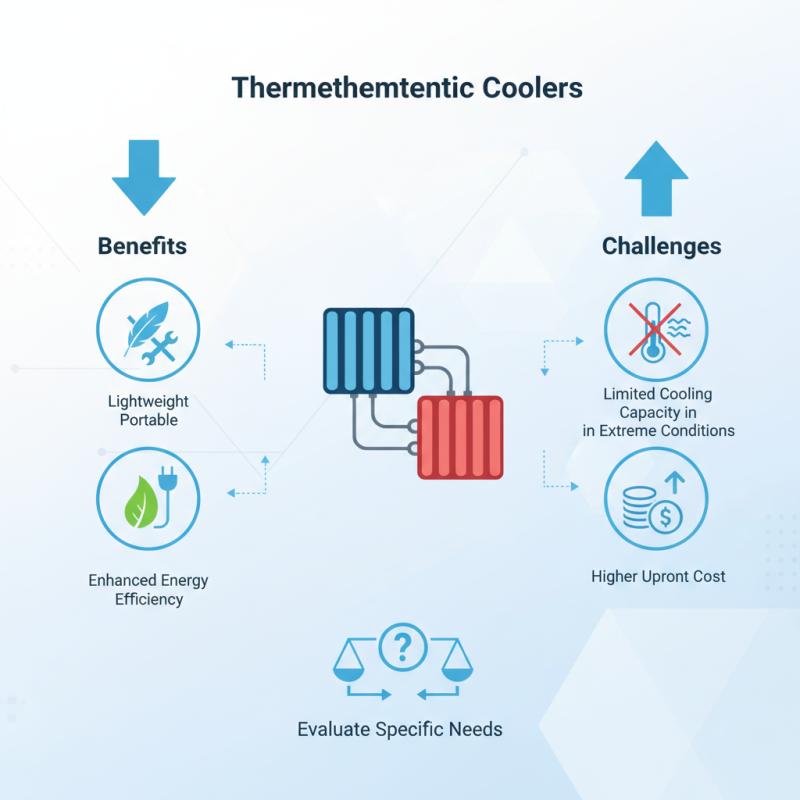
TECs provide numerous benefits to consumers. They are lightweight, which makes them ideal for portable applications. Unlike traditional cooling methods, thermoelectric coolers have no moving parts, leading to reduced maintenance costs. This can be particularly appealing for buyers seeking long-term performance with minimal oversight. Enhanced energy efficiency is another significant advantage, with some TECs achieving up to 50% lower energy consumption compared to conventional cooling systems.
However, it is essential to consider some challenges as well. The cooling capacity of thermoelectric coolers can be limited in extreme conditions. Moreover, the upfront cost may deter cost-sensitive buyers. These factors require careful consideration before investing in TEC technology. Overall, the benefits of thermoelectric coolers are evident, but buyers must evaluate their specific needs and constraints.
Overview of Thermoelectric Coolers and Their Mechanism
Thermoelectric coolers (TECs) are compact devices that provide efficient temperature control. They operate based on the Peltier effect, where electricity creates a temperature differential. This mechanism allows one side to absorb heat while the other dissipates it, making TECs ideal for cooling applications. Unlike traditional chillers, they have no moving parts, which minimizes noise and maintenance issues.
For users, the benefits of thermoelectric coolers are significant. They can be easily integrated into various systems such as small refrigerators, medical devices, and electronics. Their lightweight design offers portability, making them perfect for camping or outdoor activities. However, it is essential to consider the cooling capacity. TECs may not cool large areas effectively compared to standard refrigeration units.
Tip: Ensure the TEC's cooling capacity matches your cooling needs. Researching specifications can prevent unexpected disappointments.
While TECs are energy-efficient, they often generate heat on the opposing side. Proper heat dissipation is crucial for optimal performance. Users should also be wary of extreme temperature changes, which can affect the device's longevity.
Tip: Regularly check the connections and thermal interfaces. This helps maintain efficiency and prolongs the system's life.
Key Advantages of Using Thermoelectric Coolers for Buyers
Thermoelectric coolers (TECs) present numerous advantages for buyers seeking efficient cooling solutions. One major benefit is their eco-friendliness. Unlike traditional cooling systems, TECs do not rely on harmful refrigerants. This aspect reduces environmental impact and aligns with increasing consumer demand for sustainable products. According to a 2022 industry report, TECs can lower carbon emissions by up to 30% compared to conventional systems.
Additionally, thermoelectric coolers offer compact designs. They can easily fit into small spaces, making them ideal for portable applications. This versatility enhances their appeal among consumers who require flexibility in design. Customers appreciate that TECs operate silently, contributing to a more pleasant user experience.
Energy efficiency is another crucial advantage. TECs typically consume less energy than traditional cooling options, which can lead to lower electricity bills. Industry data suggests that buyers can save 15-20% on cooling costs over time. However, TECs might struggle in extreme temperature conditions, so careful application consideration is needed. This is an area for potential improvement in future designs. Users may need to evaluate their specific needs before investing in thermoelectric technology.
Energy Efficiency and Cost Savings in Thermoelectric Cooling Solutions
Thermoelectric coolers (TECs) are becoming popular due to their energy efficiency. According to a recent industry report, these devices can achieve up to 30% better energy efficiency compared to traditional cooling methods. Many consumers appreciate that TECs require significantly less power. This translates to lower electricity bills, which can be particularly beneficial for buyers in regions with high energy costs.
Cost savings do not stop at reduced energy usage. The maintenance of thermoelectric coolers is typically lower than that of compressor units. Industry studies indicate that TECs often have a lifespan exceeding 15 years with minimal upkeep. This longevity means fewer replacements and repairs, allowing consumers to budget more effectively.
However, it’s important to recognize the limitations. Thermoelectric coolers may not deliver the same cooling power in extreme conditions. Performance can vary based on ambient temperature and thermal load. Buyers should weigh these factors before making a decision. Additionally, while initial costs might be higher, the long-term savings can justify the investment. Understanding these nuances is crucial for making informed choices.
Versatility and Applications of Thermoelectric Coolers in Various Fields
Thermoelectric coolers (TECs) offer impressive versatility across various fields. They are utilized in medical devices for maintaining precise temperatures. This is crucial for storing sensitive medications and samples. In automotive applications, TECs help regulate cabin temperatures efficiently. Their compact size allows easy integration into various setups, enhancing comfort without adding bulk.
Furthermore, in telecommunications, TECs manage heat in networking equipment. This prevents overheating, ensuring reliability and performance. TECs are also found in portable coolers, making outdoor adventures more enjoyable. They can be used to keep food and drinks cool without the need for ice, providing convenience in remote locations.
Tips: When choosing a thermoelectric cooler, consider its power consumption. Efficient models can reduce operating costs. Also, examine the cooling capacity required for your specific application. Sometimes, smaller units can achieve the same results as large ones, saving space and energy.
TECs also have limitations to reflect on. They may struggle in high ambient temperatures and might not cool as effectively as traditional systems. Understanding these nuances helps make informed buying decisions.
Benefits of Thermoelectric Coolers Across Different Applications
This chart illustrates the benefits of thermoelectric coolers across various metrics, highlighting their strong performance in areas like cooling efficiency and portability, while reflecting on aspects such as energy consumption and cost-effectiveness.
Environmental Impact and Sustainability Benefits of Thermoelectric Systems
Thermoelectric coolers are gaining attention for their environmental impact and sustainability advantages. These systems function without harmful refrigerants. Instead, they convert heat directly into electricity. This approach reduces carbon emissions significantly. By eliminating traditional cooling methods, users can contribute to a greener planet.
One notable benefit is energy efficiency. Thermoelectric systems use less power than conventional options. Their solid-state design means minimal mechanical parts, leading to less waste. However, not all thermoelectric devices perform equally. The technology can vary in efficiency and reliability. Buyers must do thorough research to find optimal solutions.
Additionally, the materials used can affect sustainability. Many thermoelectric coolers still rely on rare elements. This reliance raises questions about sourcing and environmental impact. Buyers should consider these aspects. Understanding the lifecycle of these products fosters responsible consumption. As cooling technologies evolve, so does the need for careful evaluation.