

2026 Best Recycled Shipping Containers for Sale?

In 2026, recycled shipping containers are becoming practical assets, not merely cheap storage boxes. Buyers now compare structural condition, certification, delivery distance, and future reuse value. The best unit may cost more initially. It may also prevent expensive repairs later.

Drewry’s Container Census 2024 reported a global fleet exceeding 50 million TEU, showing the enormous material base available for reuse. The International Maritime Organization also continues to emphasize safer, more efficient, and environmentally responsible shipping operations. These reports do not prove that every used container is sustainable. They provide necessary context. A container transported hundreds of miles may lose part of its environmental advantage. That detail is easy to miss.

John Fossey, Drewry’s container equipment and leasing specialist, has described containers as “the workhorses of global trade.” His point matters here. A recycled shipping container must still perform reliably after years of lifting, stacking, salt exposure, and weather. Paint can hide corrosion. A clean floor can conceal weakened cross-members. Careful inspection remains essential.

This guide will examine the 2026 best recycled shipping containers for sale by condition, purpose, price transparency, and supplier credibility. We will consider cargo-worthy units, wind-and-watertight models, and modified containers. We will also review CSC-related documentation where relevant. No option is perfect. Some “recycled” units involve new repairs, new paint, or long-distance delivery. Buyers should question vague sustainability claims. A flashlight, moisture meter, and inspection checklist may reveal more than polished photographs.
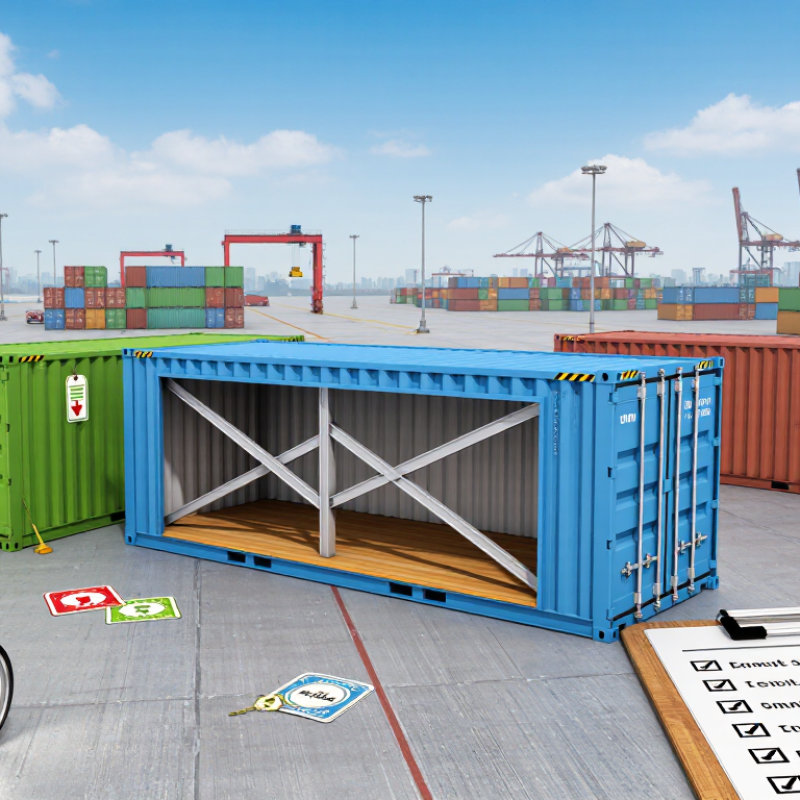
2026 Best Recycled Shipping Containers for Sale?

What Are Recycled Shipping Containers?

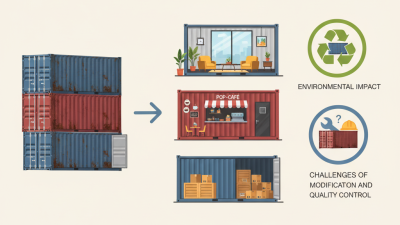
Recycled shipping containers are previously used steel cargo units that receive a second working life. They may become storage rooms, workshops, site offices, or small commercial spaces. The word recycled can mislead. Most are reused, not melted down and rebuilt. Their steel frames, corrugated walls, doors, and marine plywood floors have already served at sea or on land.

A reliable unit should show its history through visible condition. Inspect the roof for pinholes, especially around welds and corner fittings. Open every door and check whether the locking bars move smoothly. Surface rust is common, but deep corrosion can weaken panels and rails. The floor should remain firm, dry, and free from strong chemical odors. Some older containers need repairs, repainting, ventilation, or insulation before practical use.

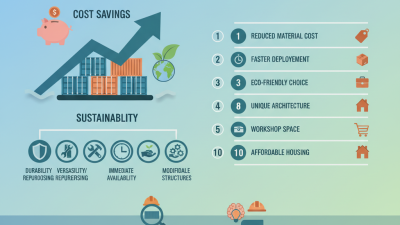
Condition grades are useful, but they are not universal. Ask for recent photographs, dimensions, repair records, and a direct inspection when possible. Confirm delivery access before ordering; a narrow gate or weak driveway can create unexpected costs. Local planning, fire, electrical, and structural rules may also apply. A container that looks inexpensive may require substantial preparation. That is easy to underestimate. Careful buyers should compare the purchase price with transport, crane handling, repairs, and site preparation. Reuse reduces material waste, yet it does not automatically make every container sustainable or suitable.

How Recycled Shipping Containers Are Refurbished

2026 Best Recycled Shipping Containers for Sale?

How Recycled Shipping Containers Are Refurbished

A recycled shipping container begins with a careful structural inspection. Refurbishers examine the corner posts, roof, frame, doors, and underside for damage. Heavy rust, twisted rails, or weakened lifting points can make a unit unsuitable for reuse. Cosmetic repairs alone are not enough.

Technicians remove loose rust and old coatings before repairing damaged steel. Small holes may receive welded patches, while larger failures often require rejection. The floor is checked for soft areas, water damage, and unsafe contamination. Door gaskets are replaced when they no longer seal tightly. Hinges and locking bars must move smoothly.

After repairs, the container receives a suitable protective coating. Drainage paths remain clear, and ventilation is considered for its intended use. Measurements are taken again, because refurbished units can vary slightly. Photographs and inspection records should accompany the sale. Buyers should also confirm the container’s condition, dimensions, and permitted application.

A fresh coat can hide problems.

That risk deserves attention.

Some refurbished containers look nearly new but still carry hidden frame movement or floor weakness. An honest seller explains both completed repairs and remaining imperfections. Buyers should inspect the unit personally when possible, especially around the roof seams and lower corners. Reuse is valuable, but appearance should never replace documented safety checks.

Which Types of Recycled Containers Are Available?

Recycled shipping containers are not one uniform product. The most common option is the used standard dry container, usually 20-foot or 40-foot. High-cube units add extra interior height for workshops, storage, and modular construction. Buyers may also find refurbished reefers, which include insulated walls, doors, and cooling machinery. These units cost more and need electrical testing.

Open-top containers suit tall machinery and bulk materials. Flat racks handle oversized equipment because their side walls can fold or remain fixed. Some sellers offer modified containers with windows, doors, ventilation, or reinforced floors. However, modification quality differs widely. A fresh coat of paint does not repair corrosion.

UNCTAD’s Review of Maritime Transport 2024 reported about 858 million TEUs in global container port throughput during 2023. This large circulation supports a steady supply of retired equipment, although availability varies by region. The report also highlights continuing pressure on shipping networks, which can affect prices and delivery times. Industry inspection practice normally separates cargo-worthy units from wind-and-water-tight storage units. That distinction matters more than appearance.

Tips: Ask for the container’s inspection date, floor condition, door-seal photos, and repair history. For reefers, request compressor and temperature-test records. Check internal width carefully; repairs can reduce usable space. Recycled does not always mean sustainable. Transport distance, repainting, and heavy refurbishment may weaken the environmental benefit.

My practical view is cautious: buy the right condition, not the cheapest label.

How to Choose the Right Container for Your Needs

2026 Best Recycled Shipping Containers for Sale?

In 2026, recycled shipping containers can offer practical value for storage, workshops, and transport. The best choice is not always the newest-looking unit. Start with the job, location, and expected load. Measure the site carefully, including door clearance and delivery access. A 20-foot container suits compact areas, while a 40-foot unit provides more capacity. However, larger units require better access and a stronger placement surface. Decide whether you need a wind-and-watertight container or one certified for ocean transport. These requirements are different.

Tips: Request recent photos, inspection records, and exact external dimensions. Ask about floor condition, door seals, roof repairs, and visible corrosion. A local inspection is worthwhile, especially when buying remotely. Small defects can become expensive after delivery. Confirm unloading requirements with the seller and your transport provider before payment.

Inspect the corners, locking bars, hinges, and underside whenever possible. The floor should feel solid, without deep contamination, soft sections, or serious warping. Light surface rust may be manageable, but holes and structural damage need expert review.

Recycled units often vary because their previous service histories are not identical. That makes comparison important. A low price may hide repair costs, repainting, or difficult delivery. No container is perfect. I would rather accept minor cosmetic wear than ignore a damaged frame or leaking roof. When uncertainty remains, ask a qualified container inspector for written advice.

Where to Buy Recycled Shipping Containers in 2026

Where to buy recycled shipping containers in 2026 depends on your location, required condition, and intended use. Start with established container depots near major ports. These yards usually offer wind-and-water-tight units, cargo-worthy units, and older “as-is” containers. Regional used-equipment dealers can arrange delivery, but transport may cost more than the container itself. UNCTAD reports that about 80% of global merchandise trade moves by sea, so port-adjacent markets often provide the widest recycled inventory.

Ask for recent inspection photos, serial details, flooring condition, and repair records. A reputable seller should explain the container’s grade clearly. For cargo transport, check CSC-related documentation and request inspection by a qualified surveyor. The Institute of International Container Lessors publishes inspection guidance widely used by industry professionals. Its standards help buyers assess doors, corner posts, roof panels, and structural damage.

Prices vary sharply by region and condition. Container xChange’s used-container market reports consistently show meaningful price differences between inland depots and port markets. Delivery can erase an attractive quote. Measure twice.

In my experience, surface rust is often manageable, while twisted frames and leaking roofs deserve caution. A discounted unit may require welding, repainting, new plywood, or lock-bar repairs. That calculation is easy to underestimate. Compare at least three local quotations, including crane unloading and tax charges. Independent inspection adds cost, but it can prevent a poor purchase.

2026 Best Recycled Shipping Containers for Sale? - Where to Buy Recycled Shipping Containers in 2026

Container Type Typical External Dimensions Approx. Internal Volume Common Reuse Condition Indicative 2026 Price Range (USD) Best Uses Recommended Buying Channel What to Verify Before Purchase
20 ft Standard Dry Container 20 ft L × 8 ft W × 8 ft 6 in H
(6.06 m × 2.44 m × 2.59 m)
About 33 m³
(1,170 ft³)
Wind-and-water-tight or cargo-worthy; may show cosmetic dents, surface rust, and repaired flooring Approximately $1,500–$4,000, excluding delivery and local taxes Storage, workshops, tools, small equipment, and site offices Local container depots, regional resellers, and verified online marketplaces Door seals, roof leaks, floor condition, locking bars, frame alignment, and delivery access
40 ft Standard Dry Container 40 ft L × 8 ft W × 8 ft 6 in H
(12.19 m × 2.44 m × 2.59 m)
About 67 m³
(2,370 ft³)
Wind-and-water-tight or cargo-worthy; exterior wear is common after multiple shipping cycles Approximately $2,000–$5,000, excluding delivery and local taxes Large-volume storage, agricultural supplies, inventory, and warehouse overflow Container yards, freight equipment dealers, and established regional suppliers Overall length, chassis or crane requirements, floor load rating, roof integrity, and transport route
40 ft High Cube Dry Container 40 ft L × 8 ft W × 9 ft 6 in H
(12.19 m × 2.44 m × 2.90 m)
About 76 m³
(2,690 ft³)
Wind-and-water-tight or cargo-worthy; usually selected where extra vertical clearance is valuable Approximately $2,300–$5,500, excluding delivery and local taxes Bulky storage, retail stock, equipment, modular rooms, and taller shelving systems Specialized container dealers and local depots with high-cube inventory Actual external height, overhead clearance, door height, roof condition, and local planning rules
20 ft Open-Side Container About 20 ft L × 8 ft W × 8 ft 6 in H
(6.06 m × 2.44 m × 2.59 m)
About 33 m³
(varies by door configuration)
Used unit with full-side access doors; higher inspection and maintenance needs than standard-door models Approximately $3,000–$7,000, excluding delivery and local taxes Pallet access, event storage, machinery, construction materials, and retail display areas Specialty equipment dealers and container suppliers with photographed inventory Door operation, seal replacement cost, hinge condition, frame straightness, and weather protection
20 ft Refrigerated Container About 20 ft L × 8 ft W × 8 ft 6 in H
(6.06 m × 2.44 m × 2.59 m)
Typically 26–28 m³
(interior equipment reduces volume)
Used reefer with insulated panels; refrigeration machinery may require servicing or replacement Approximately $5,000–$15,000, excluding delivery, power work, and repairs Temperature-controlled storage, food processing, cold rooms, and specialist projects Refrigerated-equipment dealers and suppliers offering tested electrical systems Cooling performance, operating voltage, compressor hours, insulation, floor condition, and service history
40 ft High Cube Reefer 40 ft L × 8 ft W × 9 ft 6 in H
(12.19 m × 2.44 m × 2.90 m)
Typically 60–67 m³
(varies by refrigeration unit and interior layout)
Used refrigerated unit; suitable only after a complete mechanical, electrical, and insulation inspection Approximately $7,000–$20,000, excluding delivery and repairs Large cold storage, produce handling, catering operations, and industrial temperature control Specialist reefer suppliers, cold-chain equipment dealers, and inspected used-equipment auctions Temperature range, pull-down test, power requirements, controller status, insulation, and drainage
20 ft One-Trip-Equivalent Reuse Unit 20 ft L × 8 ft W × 8 ft 6 in H
(6.06 m × 2.44 m × 2.59 m)
About 33 m³
(1,170 ft³)
Lightly used or surplus unit with limited handling damage; not necessarily fully new Approximately $2,500–$5,500, excluding delivery and local taxes Clean storage, workshops, offices, retail conversion, and projects needing better appearance Local stockholders, project-container dealers, and verified regional suppliers Exact age, previous cargo, paint condition, floor treatment, certification status, and warranty terms

Note: Dimensions and volumes are typical ISO container specifications. Price ranges are indicative planning estimates for used or recycled units in 2026 and can vary substantially by region, condition, availability, delivery distance, customization, taxes, and lifting requirements.