How to Find Free Shipping Containers for Your Business Needs?
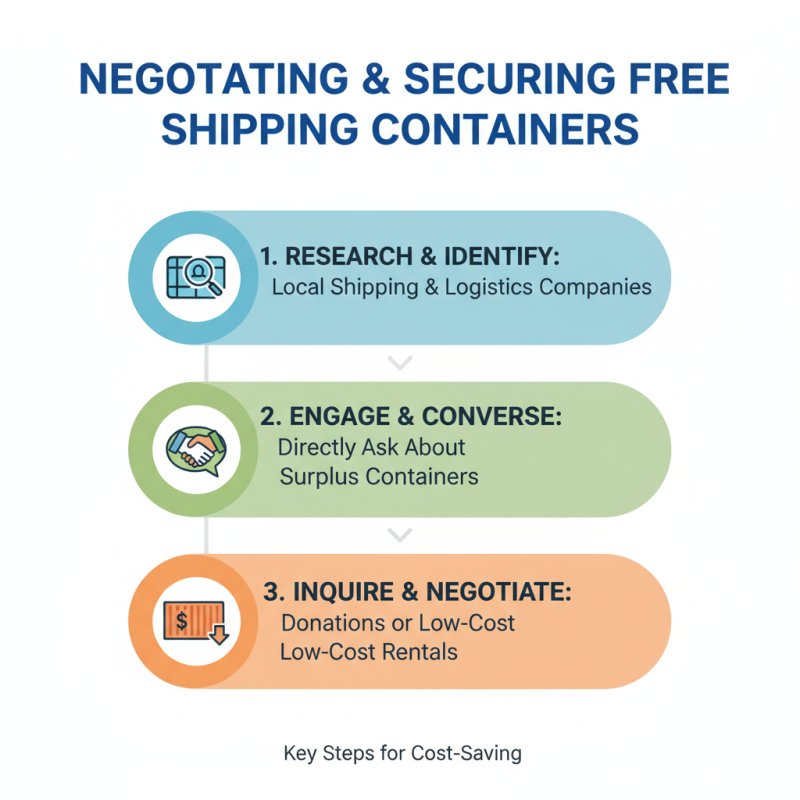
Finding free shipping containers can greatly benefit your business. These containers are often used for storage or transportation. They offer a cost-effective solution without compromising quality. Many people think acquiring these containers is challenging, but several resources can simplify the process.
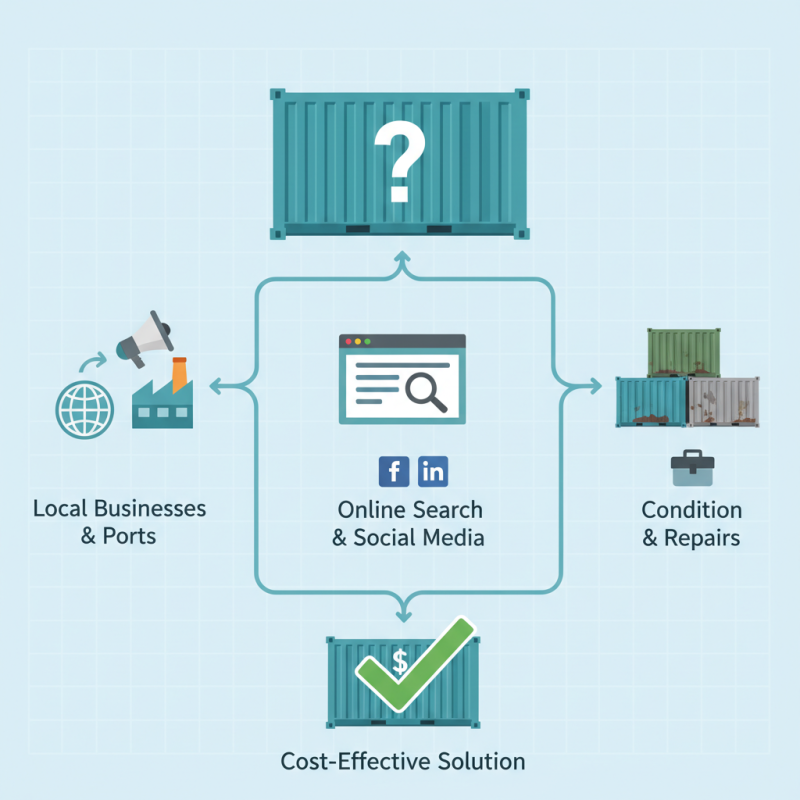
Local businesses, shipping companies, and ports are valuable sources. They may have surplus containers available for free or at a low cost. Networking within your community can also yield leads on available containers. Sometimes, an online search can uncover potential opportunities. Don’t overlook social media platforms and local classifieds; they can be treasure troves of information.
However, the journey may not always be straightforward. You may encounter containers in poor condition that require repairs. Assessing their structural integrity is crucial to avoid future issues. Each container has its unique story, and choosing the right one involves careful consideration. Embrace the challenge; the rewards can be significant for the right business.
Understanding the Basics of Shipping Containers for Business Needs
Shipping containers are versatile assets for various business needs. They can be used for storage, mobile offices, or even pop-up shops. Understanding their structure and uses is essential. A standard container is 20 or 40 feet long, made of durable steel. This durability ensures that your goods remain safe, whether you're using them for transport or as a stationary facility.
When considering shipping containers, think about your specific requirements. What will you store or transport? The weight and type of materials matter. Some businesses find it challenging to choose the right size. Others struggle with the logistics of placement. Reflecting on these needs can lead to a more tailored solution.
Finding free shipping containers can be daunting. Various options exist, like local businesses upgrading their storage solutions. However, beware of potential scams or damaged containers. Always inspect before making any commitments. Networking with businesses in your area may yield valuable insights. Each option has its benefits and drawbacks, and care should be taken in selecting the most reliable source.
Shipping Container Availability by Type
This chart illustrates the availability of different types of shipping containers for business needs. Understanding the availability can help businesses in making decisions on the types of containers that best suit their logistics and storage requirements.
Identifying Potential Sources for Free Shipping Containers
When it comes to securing free shipping containers, identifying potential sources is crucial. Local businesses often have surplus containers they no longer need. These could be small manufacturers or retailers that have switched logistics methods. A survey conducted by the American Journal of Transportation reveals that around 23% of businesses have excess containers at any given time.
Another excellent source is shipping companies. Many are eager to cut costs by giving away used containers. They may prefer donating them rather than handling disposal. According to industry reports, companies could spend nearly $3,000 to $5,000 on processing containers. This incentivizes them to seek new homes for these resources.
Local government agencies also occasionally hold surplus sales. It’s less common but worth investigating. Some municipalities use shipping containers for storage or housing. A study by the National Association of Counties indicated that about 15% of counties utilize converted shipping containers for various purposes. Networking with local business owners and participating in community events can lead to valuable connections. These networking opportunities may unveil unexpected leads to obtaining shipping containers at no cost.
Evaluating the Condition and Suitability of Containers
When considering free shipping containers for business, assessing their condition is crucial. Many containers are retired from service but still have potential. According to a report from the Container Owners Association, around 10% of shipping containers are disposed of each year due to wear and tear. It's essential to inspect containers for rust or damage, particularly on critical areas like the corners and base.
Look for containers that have minimal structural damage. A container's lifespan averages 10 to 15 years, depending on usage. Inspecting the interior for any signs of water damage is also vital, as this can compromise its usefulness. You want a container that is clean and dry, offering the best environment for storage or transport.
Consider the intended use of the container. A standard dry container may suffice for storage, but a refrigerated unit might be necessary for perishable goods. However, these options typically require more maintenance. It's beneficial to evaluate the costs in terms of ongoing repairs and adaptations needed for specific business applications. Each choice comes with its trade-offs, from initial investment to long-term sustainability.
Utilizing Online Resources and Community Networks for Free Containers
Finding free shipping containers can be a practical solution for various business needs. Utilizing online resources is a great start. Websites like classified ads and local community forums often list free containers available from individuals or businesses. These platforms allow users to post requests or offers. It’s essential to navigate these spaces actively. Engage in discussions and ask questions. Make your needs clear.
Community networks also play a crucial role in this search. Joining local groups on social media can provide leads. Many people are ready to give away containers due to relocation or renovation. Attend local commerce meetings. Building relationships with community members can lead to trustworthy connections and potential leads. However, the process may take time. Not every lead will be fruitful.
Patience is key. You might face challenges, like containers being in poor condition. Some may require repairs. Assess each opportunity carefully. Don’t rush into taking a container just to have one. Balance your requirements with the container's condition to ensure it meets your business needs.
How to Find Free Shipping Containers for Your Business Needs?
| Resource Type |
Description |
Where to Find |
Contact Method |
| Local Businesses |
Businesses that receive goods in containers may want to get rid of their empty containers. |
Nearby retail and grocery stores |
Phone or in-person visit |
| Craigslist |
A classifieds website where individuals often post free items, including shipping containers. |
craigslist.org |
Email or phone number listed in the ad |
| Facebook Marketplace |
A platform for buying and selling items locally, including free containers. |
Facebook app or website |
Direct messaging through the platform |
| Community Groups |
Local community boards or online groups where people exchange resources. |
Nextdoor, local Facebook groups |
Post an inquiry or join discussions |
| Newspaper Ads |
Local classifieds often feature listings for free or cheap items. |
Local print or online newspapers |
Call the number listed in the ad |