How to Choose Storage Container Delivery Worldwide?
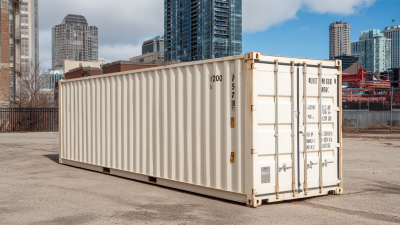
Choosing storage container delivery worldwide is not simply a matter of finding the lowest quoted price. The right decision depends on container condition, cargo type, route, unloading access, insurance, and local delivery rules. A clean, wind-and-watertight container may protect equipment better than a cheaper unit with hidden floor damage. Inspect door seals, corner posts, locking bars, and the timber floor before accepting an offer. Ask for recent photographs, inspection records, and a complete cost breakdown. Ocean freight, terminal handling, customs processing, inland transport, and crane charges can change the final price quickly.
Lars Jensen, a respected container-shipping analyst and founder of Vespucci Maritime, has said, “Container shipping is the backbone of global trade.” His observation matters here. Storage container delivery relies on that wider network, but the final road journey often creates the greatest risk. Measure the entrance. Check overhead cables. Confirm whether a truck can reach firm, level ground. A 40-foot container needs substantial turning space. Small details matter.
Do not trust vague promises.
Reliable suppliers explain lead times, delivery equipment, damage procedures, and cancellation terms in writing. They also clarify whether the container is new, refurbished, or used. Regional availability can affect both price and delivery speed. Sometimes a nearby used container is more practical than a new unit shipped across an ocean. That choice is not always obvious.
No checklist is perfect. Weather, port congestion, and local access problems can still cause delays. A careful buyer allows extra time, verifies every measurement, and keeps communication documented. The best storage container delivery plan is transparent, lawful, and suited to the actual site.
Define Capacity and Dimensions Under ISO 668:2020 Standards
How to Choose Storage Container Delivery Worldwide?
Storage selection should begin with ISO 668:2020, not a seller’s volume claim. The standard defines container classifications, external dimensions, corner fittings, and maximum gross mass ratings.
A standard 20-foot unit measures about 6,058 mm long, 2,438 mm wide, and 2,591 mm high. A standard 40-foot unit measures about 12,192 mm long. High-cube units usually provide approximately 2,896 mm of external height. These dimensions support international handling by ships, rail systems, and compatible lifting equipment.
Measure the delivery site carefully. Leave space for the truck, stabilizing legs, door swing, and crane operation. Internal capacity is different from external size. Wall thickness, floor construction, door framing, and insulation reduce usable space.
A 40-foot unit may offer roughly 67 cubic metres internally, but actual capacity varies by design and condition. Do not rely on nominal TEU alone. It is a planning measure, not storage volume.
UNCTAD’s Review of Maritime Transport 2024 recorded global container port throughput at about 858 million TEU in 2023. This scale shows why standardized dimensions matter worldwide. Yet ISO compliance does not guarantee local delivery access.
Road height limits, bridge clearances, axle-load rules, and unloading requirements still apply. I have seen projects specify the correct container, then discover a narrow gate. That mistake is expensive.
Confirm the ISO code, gross weight rating, external dimensions, floor condition, and delivery method before ordering. Recheck everything. Container drawings are not always perfect.
Compare 20-Foot TEU and 40-Foot FEU Storage Containers
How to Choose Storage Container Delivery Worldwide?
For worldwide storage delivery, compare usable volume, payload, access, and destination handling. A 20-foot TEU usually provides about 33 cubic metres internally. A 40-foot FEU offers roughly 67 cubic metres, nearly twice the floor length. However, its maximum payload can be lower. ISO 668 specifications commonly show about 28 tonnes for a 20-foot container and 26–27 tonnes for a 40-foot container. Confirm the container plate, local road limits, and lifting plan.
UNCTAD’s Review of Maritime Transport 2024 projects containerized trade growth of 3.5% in 2024. This demand can affect equipment availability, sailing schedules, and delivery prices. A TEU suits dense machinery, heavy tools, or compact stock. An FEU suits cartons, furniture, or seasonal inventory. Yet a larger box is not always cheaper. Poor stacking may leave half the space unused. That mistake is common. Inland charges can also exceed expectations, especially when the destination requires special handling. Request separate prices for ocean freight, port fees, customs-related charges, trucking, storage, and demurrage.
Tips: Measure the largest item first. Leave door clearance. Ask for internal dimensions, tare weight, floor rating, and corrosion condition. A high-cube FEU adds height, but route clearance may become difficult. Keep delivery terms in writing. Requirements differ by country, so confirm local rules with a qualified logistics professional.
Verify CSC Safety Approval for International Shipping
How to Choose Storage Container Delivery Worldwide?
When arranging worldwide storage container delivery, verify CSC safety approval before discussing price or transport speed. The International Convention for Safe Containers requires qualifying containers to pass structural safety checks. Look for a permanent CSC safety plate on the container door. It should show the approval number, manufacture date, maximum gross weight, and inspection information. The details must be readable and consistent with the container’s condition. A badly bent frame deserves careful attention.
Ask the supplier for recent photographs and the container’s inspection records. Check that the plate is fixed securely, not loosely attached or freshly painted. Compare its data with the quoted container specifications. When possible, request an independent inspection before loading. This is especially useful for older units, long-distance ocean transport, or deliveries involving several transfer points. A valid plate does not guarantee perfect weather resistance. Door seals, corner castings, flooring, and roof panels still need inspection. That detail is easy to overlook.
Tips:
Confirm CSC validity in writing. Record the plate number. Request photos of all corners, doors, and the roof. Ask who pays for repairs if inspection findings differ. Do not rely on a certificate image alone. Small mismatches can create expensive delays. Personally, I would allow extra checking time, because rushed approvals often miss damaged fittings.
Plan Sea Freight Using UNCTAD’s 80% Global Trade Volume Estimate
How to Choose Storage Container Delivery Worldwide?
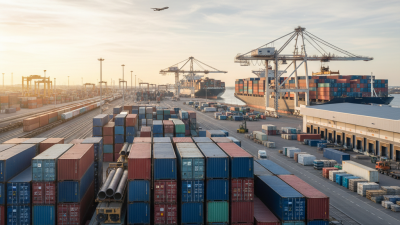
UNCTAD is widely cited for estimating that over 80% of global trade by volume moves by sea. This figure explains why ocean freight remains central to worldwide storage container delivery. It also reminds buyers that container planning depends on ports, vessels, inland transport, and seasonal congestion.
Start by matching the container to the goods and storage period. Dry goods usually need a standard sealed container. Oversized items may require extra height or open access. Check internal dimensions, door width, floor condition, and maximum payload before booking. A simple measurement error can create expensive delays.
Sea freight often costs less than air transport, but it needs more time. Build a schedule around port cut-off dates, customs clearance, trucking, and possible transshipment. Ask for a complete quotation that separates ocean freight, terminal handling, documentation, delivery, and storage charges. These details make comparisons more reliable.
The 80% estimate is useful, but it is not a delivery guarantee. Trade patterns vary by region, cargo type, and reporting year. A route with frequent congestion may be cheaper on paper yet slower in practice. Keep several days of buffer. More than expected. Container condition also deserves attention. Request inspection records, photographs, and clear responsibility for damage before dispatch. Local regulations, cargo declarations, and insurance requirements should be checked before the container leaves the origin port.
Calculate Landed Costs with Incoterms 2020, Duties, and Last-Mile Delivery
Choosing a storage container delivery method starts with landed cost, not the ocean quote. UNCTAD reports that over 80% of world merchandise trade by volume moves by sea. That percentage explains why port charges, delays, and inland transport can reshape a budget.
Incoterms 2020 define cost and risk responsibilities, but they do not set customs duty rates. Under FCA, the buyer usually controls the main carriage. Under DAP, the seller delivers to the named destination, while the buyer handles import duties. DDP places more obligations on the seller, including import clearance and duties. However, DDP may be impractical where the seller lacks local tax registration or customs knowledge.
Calculate landed cost line by line: container price, export handling, ocean freight, insurance, destination fees, duty, import tax, storage, and last-mile delivery. Customs value, HS classification, origin, and local valuation rules can change the duty sharply. Check the commodity description carefully. A small wording error can become an expensive correction.
Last-mile delivery needs special attention. A container may reach the port efficiently, then wait beside a narrow road for a suitable truck. The World Bank’s 2023 Logistics Performance Index gathered evidence from 139 economies and 4,090 logistics professionals, highlighting major differences in customs, infrastructure, and delivery reliability. My earlier estimates were too optimistic when they ignored appointment fees and failed delivery attempts. Add a contingency for demurrage and local access restrictions. Keep every assumption visible.
How to Choose Storage Container Delivery Worldwide?
Estimated landed cost for one standard 40-foot container under Incoterms 2020. The model assumes a customs value of USD 25,000, excludes VAT and sales tax, and uses planning estimates within common international logistics cost ranges. Import duty varies by HS code and destination.
Landed cost combines ocean freight, origin charges, import duty, and last-mile delivery. Under Incoterms 2020, confirm which party pays each segment: CIF or CFR generally leaves destination delivery and import clearance to the buyer, while DAP includes delivery to the named place but normally excludes import duties and taxes.