What is the Purpose of Second Hand Shipping Containers?
Second hand shipping containers serve multiple purposes in today's economy. These durable structures are often reused for storage, transport, and even as innovative living spaces. Their robust design makes them suitable for various applications beyond shipping.
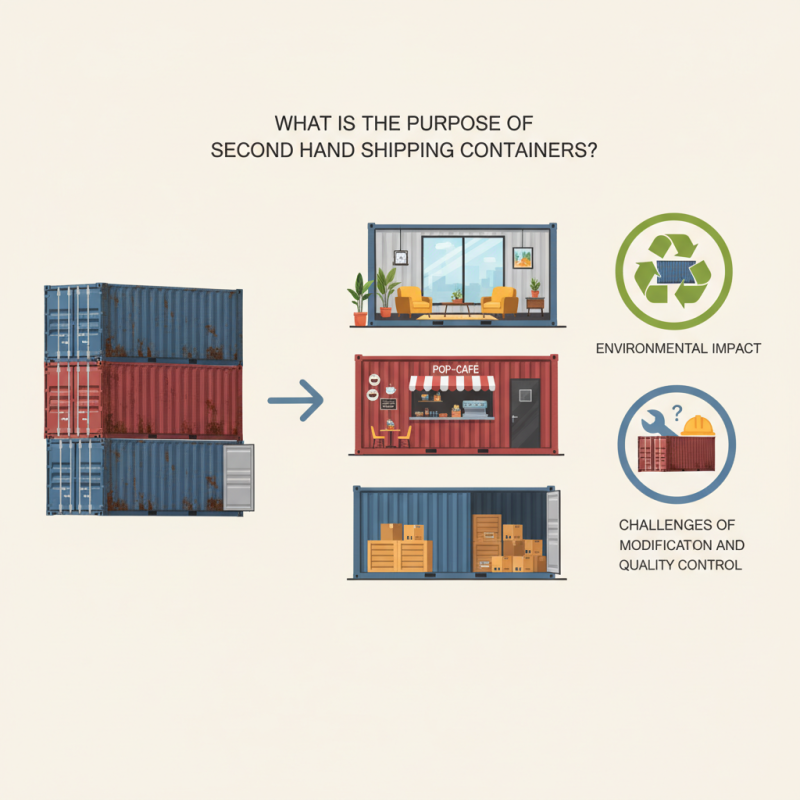
In urban areas, second hand shipping containers are transformed into cafes, offices, and pop-up shops. An increasing number of entrepreneurs choose these containers due to their affordability. However, challenges arise with modifications. Adapting them for different uses can require significant effort and resources. The required insulation and ventilation might pose additional hurdles.
The environmental impact of repurposing shipping containers can't be ignored. Recycling these containers reduces waste and encourages sustainable practices. Still, questions remain about the long-term durability of modified structures. Are they safe for living or working? As the demand grows, the need for quality control becomes apparent. Finding the right balance between creativity and practicality is essential.
Overview of Second Hand Shipping Containers
Second hand shipping containers have risen in popularity as versatile solutions for various needs. The global shipping container market is estimated to grow by 6.3% annually. This growth reflects the increasing demand for affordable and sustainable storage options. Many businesses turn to these containers for both storage and unique construction projects. They can be modified into offices or pop-up shops, enhancing urban landscapes.
Tips: Consider the container's condition. Check for rust, structural integrity, and prior usage. These factors affect longevity and suitability.
Shipping containers are also an eco-friendly choice. Using second hand containers reduces waste and promotes recycling. Reports indicate that repurposing one container helps avoid nearly 10 tons of CO2 emissions. However, it’s essential to ensure containers are certified safe. Not all containers are equal; some may have been exposed to harmful materials.
Tips: Utilize local suppliers. They often have lower prices and can provide helpful insights about the containers' history.
These containers offer both affordability and adaptability. However, buyers should be aware of zoning laws and property regulations. Building permits may be necessary in some areas.
Common Uses of Second Hand Shipping Containers
Second hand shipping containers have become increasingly popular for various applications. In fact, the container resale market has grown significantly, with global sales increasing by 10% in recent years. These containers offer a cost-effective solution for storage and construction needs.
One common use of second hand containers is for storage purposes. Many businesses prefer them due to their durability. They can withstand harsh weather conditions while providing secure space. In the construction industry, they are often converted into site offices or equipment storage. Reports indicate that around 70% of construction companies have utilized shipping containers for these functions.
Another emerging trend is the use of shipping containers in residential projects. They are often transformed into modern homes or vacation rentals. This practice is appealing for its eco-friendliness and affordability. However, some challenges arise during the transformation process. Structural integrity must be considered, especially in areas prone to severe weather. Furthermore, local zoning laws can complicate the approval process. Overall, the versatility of second hand shipping containers presents numerous opportunities and challenges for different industries.
Environmental Impact of Reusing Shipping Containers
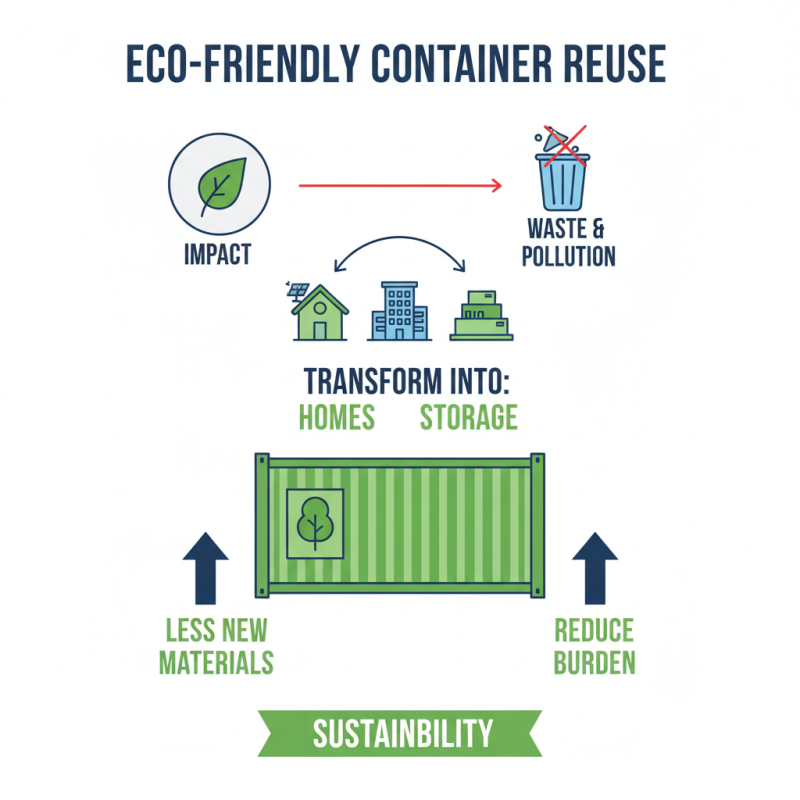
The environmental impact of reusing shipping containers is significant. These containers are often discarded after a single use. This practice contributes to waste and pollution. However, repurposing them can lessen this burden. By transforming these containers into homes, offices, or storage units, we reduce the need for new materials.
Using second-hand containers can be an eco-friendly alternative. They often require fewer resources to modify compared to building from scratch. When you choose to reuse, you help decrease landfill waste. Every container repurposed is one less filling up our environment. It’s a tangible step towards sustainability and a worthwhile consideration.
Tips: Explore various design ideas before committing. Consider how the container's original state may affect its new purpose. Assess any necessary repairs and modifications carefully. Think about the local climate and how it impacts insulation needs. Each container is unique. Embrace imperfections as they add character to your project.
Economic Benefits of Purchasing Second Hand Containers
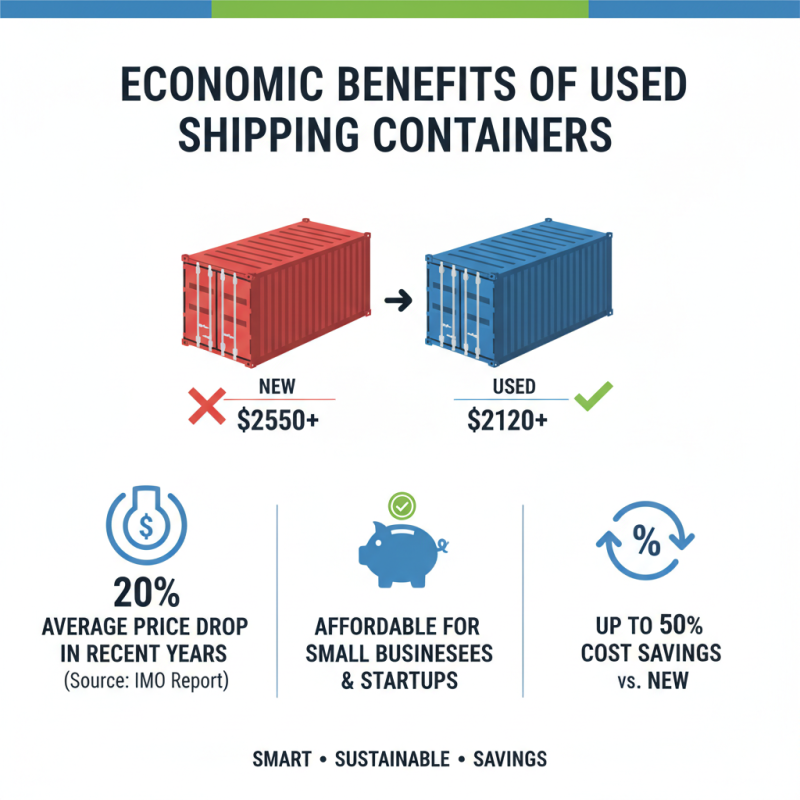
The economic benefits of purchasing second-hand shipping containers are significant. According to a report by the International Maritime Organization, container prices dropped by an average of 20% in recent years. This reduction makes used containers affordable for small businesses and startups. Rather than investing in new containers, buying second-hand ones can mean substantial savings—up to 50% in costs.
Second-hand containers serve various purposes. For example, they can be transformed into storage units, portable offices, or even homes. The versatility of these containers attracts entrepreneurs looking to optimize their budgets. Creating unique spaces with limited funds fosters creativity while reducing waste and pollution. However, buyers should keep in mind that not all containers are in perfect condition. Inspection is vital.
**Tip:** When purchasing used containers, check for signs of rust or damage. It’s better to invest a little time now than to face expensive repairs later.
Another critical aspect is transportation costs. While containers are affordable, shipping them to your location can add up. Some buyers might overlook this expense, resulting in unexpected bills. Understanding total costs upfront helps avoid surprises.
**Tip:** Get quotes from multiple transportation companies. This step ensures you secure the best deal possible.
Considerations When Buying Second Hand Shipping Containers
When considering buying second-hand shipping containers, it’s crucial to assess their condition. Look for rust, dents, and structural integrity. Any damage could impact their usability. You might discover leaks or mold inside. Ensure to inspect both the exterior and interior before making a purchase.
Another important factor is the size you need. Shipping containers come in various dimensions. A standard size is 20 feet, but 40-foot containers are also common. Think about your intended use. Will you convert it into a home, office, or storage? Measuring your space is essential before settling on a size.
Also, consider the seller’s reputation. Some vendors may not disclose issues. Research their background, and read reviews. Trustworthy sellers often provide a transparent history. Ultimately, ensure you weigh the pros and cons of each option. A well-chosen container can serve many purposes. However, a hasty decision may lead to regrettable outcomes later on.
What is the Purpose of Second Hand Shipping Containers? - Considerations When Buying Second Hand Shipping Containers
| Category |
Use Case |
Average Cost ($) |
Condition |
Durability (Years) |
| Storage |
On-site storage for businesses |
1500 |
Good |
10 |
| Office Space |
Temporary or portable office space |
2500 |
Fair |
8 |
| Workshop |
Workshop or fabrication area |
3000 |
Good |
10 |
| Living Space |
Conversion into living quarters |
4000 |
Very Good |
12 |
| Retail Space |
Pop-up shops or kiosks |
3500 |
Fair |
8 |