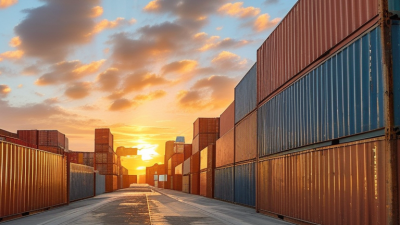
What is a Sea Container and How Does it Work?
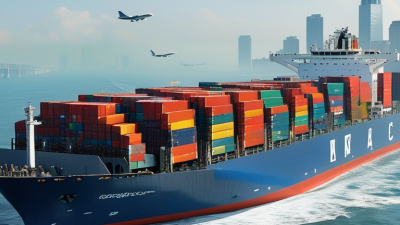
The world of logistics hinges significantly on the use of sea containers. According to Dr. Mark Anderson, a renowned expert in maritime transport, “Sea containers revolutionized global trade and logistics.” These robust metal boxes have become essential for transporting goods across oceans. Their standardization has enabled shipping lines to increase efficiency dramatically.
Sea containers come in various sizes, most commonly twenty and forty feet long. Their design allows for easy stacking and loading, which simplifies the process at ports. However, challenges do exist. Instances of damage during transit can lead to costly losses. Additionally, the environmental impact of transporting goods via sea is a growing concern.
Understanding how a sea container functions is key to grasping international shipping. As industries expand, the demand for efficient transport rises. The reliability of sea containers in safeguarding cargo and optimizing supply chains cannot be overstated. Yet, while they offer many benefits, we must also reflect on how to make this industry more sustainable.
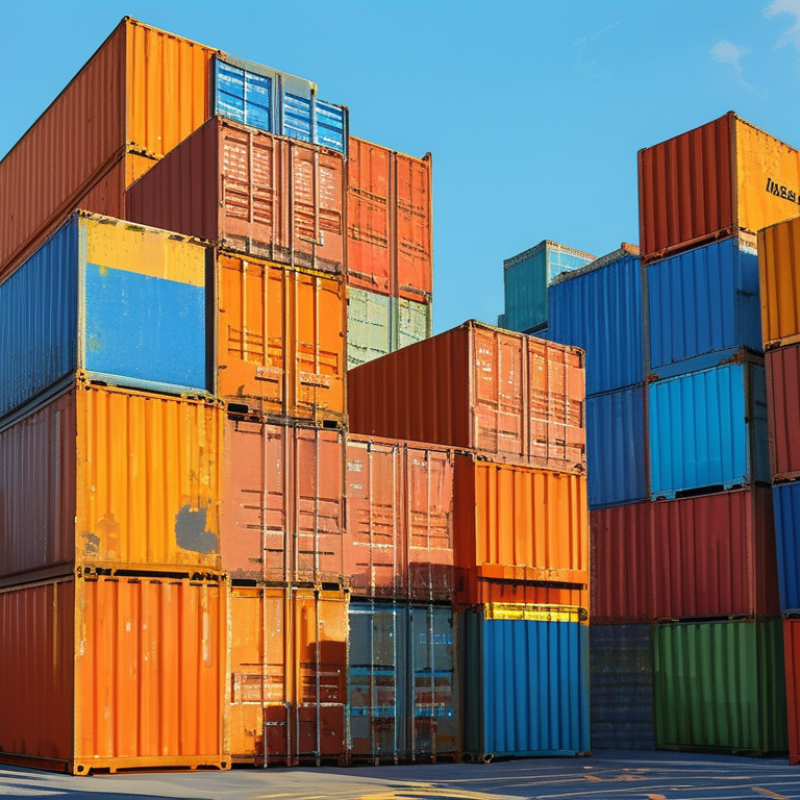
What is a Sea Container: Definition and Purpose
A sea container, often referred to as a shipping container, serves a critical role in global trade.
These robust, sealed boxes are designed for transporting goods over long distances. Their primary purpose
is to enable efficient loading and unloading of cargo. Standardized sizes, such as 20 and 40-foot containers,
make handling easier at ports and during transit.
Beyond mere transportation, sea containers enhance security and protect goods from environmental factors.
The containers are built to withstand harsh marine environments. However, issues can arise. Containers
may sustain damage during transport. This can lead to delays and losses, highlighting the need for careful
packing and monitoring.
The versatility of sea containers contributes to their popularity. They can be used for various goods,
from electronics to perishables. Yet, this flexibility requires careful consideration of cargo type and
storage conditions. Improperly managed containers can result in spoilage or damage. Understanding the nuances
of sea containers and their operation is essential for anyone involved in shipping or logistics.
Types of Sea Containers and Their Specifications
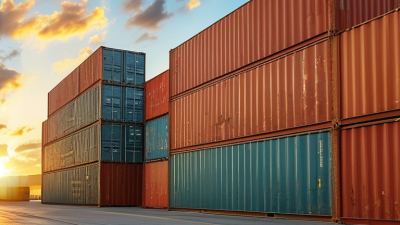
Sea containers play a crucial role in global trade. They come in various types, each with specific dimensions and features. The most common container is the standard 20-foot and 40-foot dry cargo containers. According to the International Maritime Organization, about 90% of the world's goods are transported by sea. This statistic underscores the importance of these containers in shipping logistics.
Different types of sea containers cater to specific cargo needs. Refrigerated containers, or reefers, maintain temperature-sensitive items. Their typical dimensions are similar to standard containers but include complex cooling systems. Tank containers are used for liquids, designed to safely transport chemicals and food-grade liquids. They come in various sizes, typically holding around 20,000 liters.
Specialized containers are becoming more common. High-cube containers offer additional height, allowing for more cargo. However, these larger containers pose logistical challenges. Not every port can accommodate them. Additionally, the weight capacity can sometimes be exceeded, leading to safety concerns. The shipping industry's ongoing evolution suggests a need for better solutions to meet growing demands while ensuring safety and efficiency.
Types of Sea Containers and Their Specifications
How Sea Containers Facilitate Global Trade
Sea containers are vital in today’s global trade system. Their standardized size makes them easily stackable and transportable. With a typical container measuring 20 or 40 feet, this uniformity allows ships, trucks, and trains to handle cargo efficiently. When a vessel docks, cranes swiftly unload containers. This reduces port time and operational costs, which is crucial for keeping goods flowing internationally.
The use of sea containers streamlines the supply chain. They protect goods from damage and theft during transit. This protection promotes trust between manufacturers and distributors. However, the reliance on containers comes with challenges. Infrastructure may struggle to keep up with growing demand. Inadequate port facilities can lead to delays, impacting global supply chains.
Additionally, while sea containers facilitate trade, they also contribute to environmental concerns. The massive transportation networks increase carbon emissions. There is a growing need to reflect on sustainable practices. Finding a balance between trade efficiency and environmental responsibility is essential. Adopting greener technologies in shipping could mitigate some of these impacts.
What is a Sea Container and How Does it Work? - How Sea Containers Facilitate Global Trade
| Container Type |
Dimensions (L x W x H) |
Max Weight (kg) |
Typical Use |
| 20 ft Standard |
6.06m x 2.44m x 2.59m |
30,480 kg |
General cargo |
| 40 ft Standard |
12.19m x 2.44m x 2.59m |
30,480 kg |
General cargo |
| 40 ft High Cube |
12.19m x 2.44m x 2.89m |
30,480 kg |
General cargo, tall items |
| Reefer (40 ft) |
12.19m x 2.44m x 2.59m |
30,480 kg |
Perishable goods |
| Open Top (20 ft) |
6.06m x 2.44m x 2.59m |
30,480 kg |
Heavy equipment |
Key Industry Statistics on Sea Container Usage and Efficiency
Sea containers play a pivotal role in global trade. Approximately 90% of international goods transport involves these metal boxes. Their standardization allows for efficient loading and unloading at ports. This uniformity has streamlined supply chains, reducing shipping times and costs. In 2020 alone, over 147 million TEUs (twenty-foot equivalent units) were handled globally.
The efficiency of sea containers is evident in their design. They can be stacked, maximizing space utilization on ships. Additionally, they protect cargo from the elements. Despite this, challenges remain. For instance, delays at ports can occur due to congestion. These disruptions can impact delivery times and increase shipping costs.
Industry experts emphasize the need for improved infrastructure. Innovations like digital tracking and automated handling are gaining traction. Yet, adoption risks creating a technology gap. Smaller ports may struggle to keep up with advancements. Addressing these issues will be crucial for enhancing container efficiency in the long term.
The Role of Technology in Sea Container Logistics and Management
In the realm of sea container logistics, technology plays a pivotal role. Modern tracking systems enable real-time visibility of shipping containers. This ensures that businesses can monitor their shipments actively. RFID tags and GPS tracking help reduce losses and enhance security. Many ports now integrate smart systems to streamline operations.
Investing in technology can optimize routes and cut costs. Automated systems improve efficiency and minimize human error. However, the reliance on tech also presents challenges. Systems can fail or be vulnerable to cyber threats. Companies must regularly assess their technology's effectiveness.
Consider training your team on the latest tools. Keeping everyone informed can enhance coordination. Think about implementing backup systems to counter potential failures. Regular updates and tech audits can keep your operations running smoothly. Relying solely on technology isn’t enough; human oversight remains critical. Balancing innovation with traditional practices often drives the best results.