Top Electric Thermal Oil Heater Options for Global Buyers?
electric thermal oil heaters are essential for various industrial applications. They provide efficient heating solutions worldwide. In recent years, their popularity has surged due to growing energy demands and environmental considerations. These heaters use thermal oil as a heat transfer medium. This allows for precise temperature control and high thermal efficiency.
When selecting an electric thermal oil heater, it's important to consider reliability and safety. These heaters must adhere to strict manufacturing standards. Quality and performance can vary significantly among different brands. Buyers should research key features like heating capacity and energy efficiency. Investing in a high-quality electric thermal oil heater can lead to long-term savings.
However, not all options on the market are perfect. Some may lack adequate safety features or energy efficiency. It’s crucial for buyers to read reviews and compare models carefully. Personal experiences shared by other users can provide valuable insights. Ultimately, making an informed choice requires a thorough understanding of each option’s benefits and drawbacks.
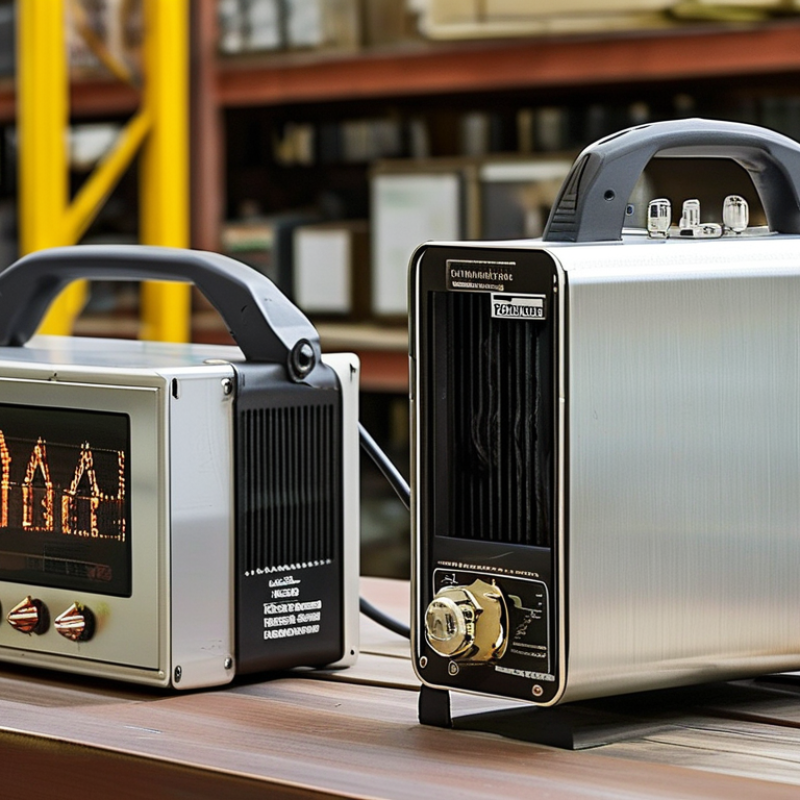
Overview of Electric Thermal Oil Heaters and Their Applications
Electric thermal oil heaters are crucial in various industries, including chemical processing and food production. These heaters provide a consistent source of heat for processes requiring high temperatures. According to the Global Industry Analysts report, the thermal oil heater market is projected to reach $2 billion by 2025. This growth highlights their importance in industrial applications.
The efficiency of electric thermal oil heaters lies in their ability to maintain stable temperatures. They can operate at temperatures ranging from 200°C to 400°C. This temperature range is ideal for several applications, such as heat transfer and indirect heating. Moreover, they are favored for their energy efficiency, with reports indicating up to 95% energy conversion rates in well-designed systems.
However, not all electric thermal oil heaters are created equal. Some users point out that maintenance can be a challenge. Over time, thermal oil can degrade, which impacts heater performance. Frequent checks are necessary to ensure optimal functioning. Additionally, the initial investment can be daunting for some businesses. Balancing cost and efficiency is essential for buyers.
Key Features to Consider When Choosing an Electric Thermal Oil Heater
When selecting an electric thermal oil heater, key features should take the lead. The heater's efficiency rating is crucial. High-efficiency heaters can achieve levels above 95%. This can lead to significant cost savings on energy bills over time.
Temperature control presents another vital consideration. A reliable heater should maintain consistent temperatures, often within ±2°C. This accuracy is critical for processes that require specific heat settings. Automation features can significantly enhance user experience, providing better operational efficiency.
Additionally, safety features are non-negotiable. Many units now come equipped with over-temperature protection and leak detection systems. A recent industry report indicated that incidents related to thermal oil heaters could be reduced by 30% with advanced safety measures in place. Furthermore, ease of maintenance is essential. Regular maintenance can extend the equipment's lifespan significantly. Buyers often overlook this aspect, leading to higher long-term costs. Carefully evaluating these features will ultimately guide buyers toward a valuable investment.
Top Electric Thermal Oil Heater Options for Global Buyers
This chart illustrates key features to consider when choosing an electric thermal oil heater, including heating capacity, efficiency, temperature range, safety features, and price. These factors are crucial for global buyers to make informed purchasing decisions.
Top Brands and Models of Electric Thermal Oil Heaters for Global Buyers
Electric thermal oil heaters have gained significant traction in various industries. They offer an efficient solution for heat transfer applications. According to a report by ResearchAndMarkets, the global electric thermal oil heater market is projected to grow at a CAGR of 6.5% from 2023 to 2030. This growth is largely driven by increasing demand for energy-efficient heating solutions across numerous sectors, including food processing and chemical manufacturing.
Several brands and models have emerged as front-runners in the market. These heaters typically operate at high temperatures while maintaining low pressure, allowing diverse industrial applications. Some models emphasize sustainability and energy savings. However, the initial investment can be substantial, leading many to question their long-term value. Reports suggest that some buyers experience difficulties in balancing upfront costs with ongoing operational savings.
Choosing the right electric thermal oil heater requires careful consideration. Factors such as capacity, efficiency, and application suitability play critical roles. Purchasing decisions should be backed by reliable data and thorough market analyses. Ultimately, it’s essential for users to evaluate their specific needs and potential future requirements. This approach ensures the selected heater delivers optimal performance and value over time.
Top Electric Thermal Oil Heater Options for Global Buyers
| Model | Power Output (kW) | Temperature Range (°C) | Heating Efficiency (%) | Applications |
| Model A | 50 | 150 - 300 | 90 | Food Processing |
| Model B | 75 | 180 - 320 | 92 | Chemical Industry |
| Model C | 100 | 120 - 250 | 95 | Textile Industry |
| Model D | 125 | 150 - 280 | 93 | Plastics Processing |
| Model E | 150 | 100 - 250 | 91 | Rubber Industry |
Comparative Analysis of Efficiency and Cost of Popular Electric Thermal Oil Heaters
When selecting electric thermal oil heaters, buyers often prioritize efficiency and cost. Many options exist, each with unique specifications. Generally, a higher efficiency rate means lower operational costs. However, some heaters with excellent efficiency come with steeper price tags. Buyers must decide between upfront cost and long-term savings.
In addition to efficiency, maintenance costs can differ significantly. Some models require more service than others. Easy access to components can ease troubleshooting and repair. Less complex designs often lead to lower maintenance costs, making them attractive despite potentially lower efficiency. Each buyer's situation varies, affecting their choice greatly.
Ultimately, the choice rests on balancing these factors. The ideal heater depends on the specific application and desired outcomes. The energy market is dynamic, influencing both prices and technologies available. It’s essential to keep updated with industry trends to make informed decisions.
Environmental Considerations and Safety Standards for Electric Thermal Oil Heaters
When considering electric thermal oil heaters, environmental impact is a primary concern. These heaters must adhere to strict safety standards to reduce their ecological footprint. Ensuring compliance with regulations can minimize air pollution and improve energy efficiency. It’s essential to choose heaters designed with eco-friendly materials and energy-saving features.
Proper installation and maintenance are crucial. Regular inspections help identify potential leaks or failures. Implementing best practices can prevent accidents and prolong the heater's lifespan. Users should be aware of local environmental regulations that dictate heater operation and disposal.
Tips: Always check for certifications when selecting a heater. This ensures safety and efficiency. Additionally, consider the heater's energy source. Opt for renewable energy options when possible. Finally, maintain a regular maintenance schedule to keep the heater functioning safely and sustainably.