Top 10 Shipping Container Sizes What You Need to Know?
When considering shipping containers sizes, it is essential to understand how they impact logistics, storage, and transportation. Shipping containers come in various dimensions and capacities. Choosing the right size can significantly influence costs and efficiency.
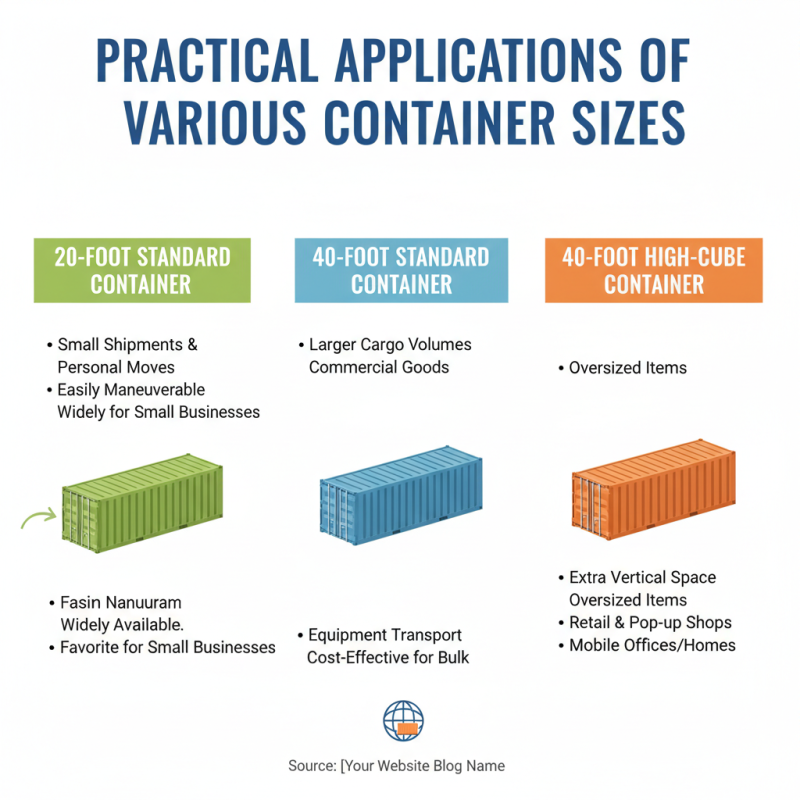
Many businesses overlook the specific needs of their operations. Some may opt for standard sizes without understanding their implications. For instance, a 20-foot container is suitable for smaller shipments, while a 40-foot container can accommodate larger ones.
Being informed about shipping container sizes allows companies to make smarter decisions. This knowledge not only enhances operational workflows but also reflects good business practices. Understanding various options can lead to innovative solutions that ultimately boost productivity.
Understanding Shipping Container Sizes and Their Specifications
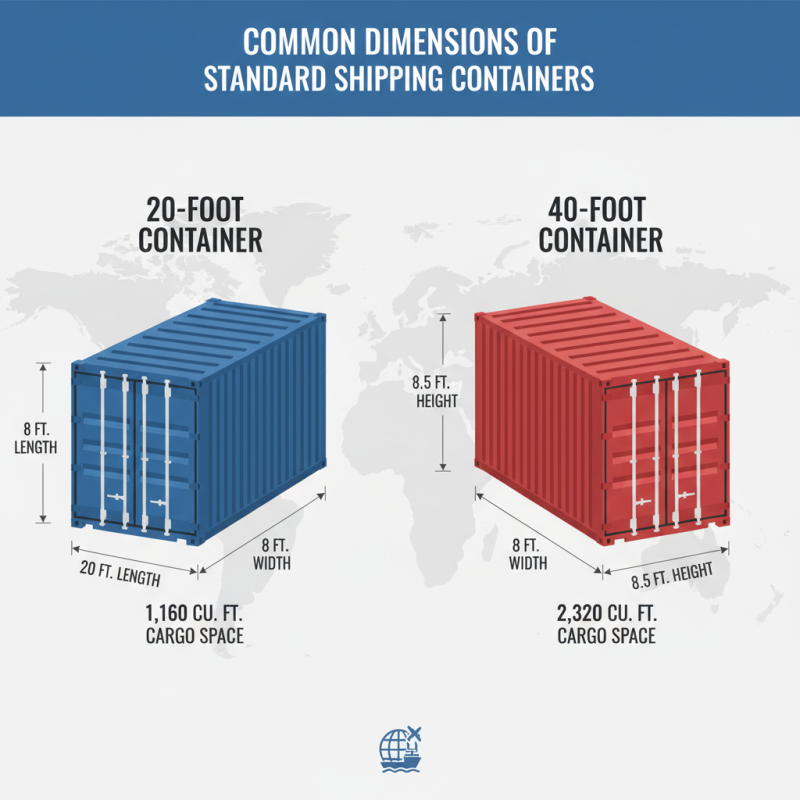
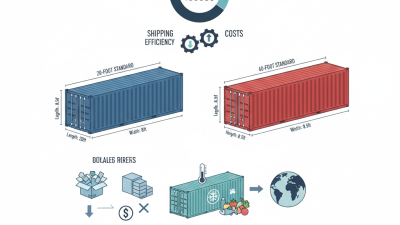
When exploring shipping container sizes, it’s crucial to understand standard dimensions. The most common container sizes are 20-foot and 40-foot containers. A 20-foot container measures approximately 20 feet in length, 8 feet in width, and 8.5 feet in height, providing about 1,170 cubic feet of cargo space. In contrast, the 40-foot container offers double the length, allowing for 2,390 cubic feet of storage. This makes them ideal for varied shipping needs.
Each container size comes with its specifications and weight limits. A standard 20-foot container can typically hold up to 22,000 pounds of cargo, while a 40-foot container can accommodate around 30,000 pounds. According to the International Maritime Organization (IMO), container shipping plays a significant role in global trade, accounting for over 90% of cargo transported internationally. Different sizes cater to diverse shipping needs, but not every size fits all situations. Some locations may have restrictions, limiting the choice of container.
The complexity of container logistics shouldn't be overlooked. Things like loading efficiency and cargo type can complicate decisions. For instance, while larger containers reduce per-unit shipping costs, they may not always be the best choice for fragile items. In this case, size may not equate to efficiency or safety. Understanding your specific cargo requirements is essential to maximize your shipping strategy.
Common Dimensions of Standard Shipping Containers
Shipping containers are essential in global trade, and knowing their dimensions helps optimize logistics. The most common sizes are the 20-foot and 40-foot containers. A typical 20-foot container measures approximately 20 feet long, 8 feet wide, and 8.5 feet high. It offers about 1,160 cubic feet of cargo space. Conversely, the 40-foot containers provide double that volume, with standard dimensions of 40 feet long and the same width and height.
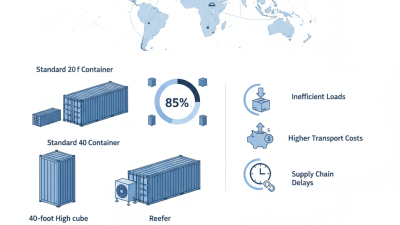
Another type is the high-cube container, which stands at 9.5 feet high, allowing more room for taller items. According to a report from the International Maritime Organization, container dimensions significantly affect shipping efficiency and cost. Accurate calculations of cargo and container size can lead to better load management.
Tip: Before purchasing, measure your items for the best fit. Avoid overpacking, as this can lead to damage. Understanding container specifications is vital. Not every item fits every container. Fluctuations in demand can also affect shipping choices. Always confirm current standards, as industry practices evolve.
Comparing Different Container Types: Dry, Reefer, and Open-Top
When it comes to shipping containers, understanding different types is crucial for efficient logistics. Dry containers are the most common. They provide a waterproof and weatherproof environment. These containers are used for general cargo, such as electronics, clothing, and non-perishable goods. They come in various sizes, with the 20-foot and 40-foot containers being the most popular.
Reefer containers are designed for temperature-sensitive cargo. These units have built-in refrigeration systems. They are essential for transporting food, pharmaceuticals, and other perishable items. With precise temperature controls, they ensure that goods remain fresh during transit. However, maintaining the right temperature can be a challenge, especially in extreme climates.
Open-top containers offer flexibility for loading oversized cargo. They are equipped with a removable tarp. This makes them suitable for heavy machinery or materials that cannot fit through standard doors. However, securing the load properly is critical to prevent damage. Each container type has its pros and cons, and choosing the right one requires careful consideration of the cargo needs.
Factors Influencing Container Size Selection for Shipping Needs
When selecting the appropriate shipping container size, several factors come into play.
Understanding cargo requirements is crucial.
Different businesses have unique goods. For example, refrigerated containers are vital for perishables.
A study by the International Maritime Organization noted that over
80% of global trade by volume is transported via sea.
Container sizes can affect shipping costs significantly.
Larger containers may offer economies of scale but require more capital upfront. Conversely, smaller units allow
businesses to manage inventory more effectively but can lead to higher per-unit shipping costs.
Cost analysis should reflect these differences to find the optimal balance.
Tips: Always measure your cargo dimensions accurately before choosing a container.
This step can prevent costly errors and delays. Also, consider seasonal demand fluctuations. Adjusting container size
according to market conditions can minimize waste. Regularly evaluate your shipping needs;
this process can lead to better efficiency over time. Opting for the right container size is not just logistical;
it can improve profit margins in the long run.