


10 Best Free Shipping Containers for Global Buyers?
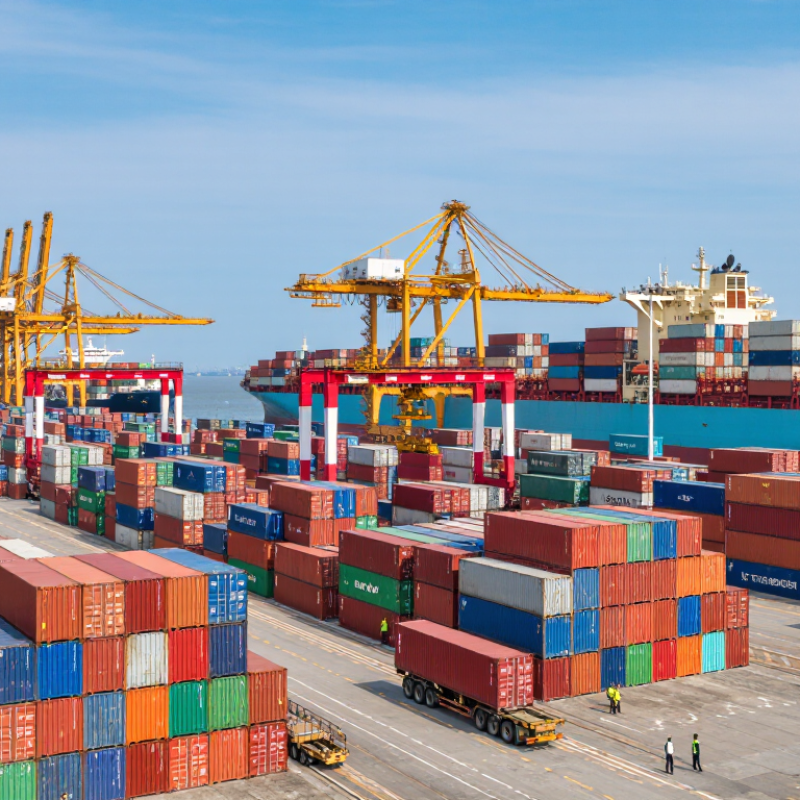
Global trade depends on ordinary steel boxes. Every week, they carry electronics, furniture, machinery, and food across oceans. UNCTAD’s Review of Maritime Transport reports that maritime shipping moves over 80% of global merchandise trade by volume. This scale explains the growing interest in free shipping containers among exporters, importers, builders, and small businesses.
The word “free” can mislead. A container may have no purchase price, yet delivery, lifting, inspection, storage, customs paperwork, and local handling still create costs. Marc Levinson, author of The Box, wrote, “The container made it possible to move cargo quickly and cheaply.” His observation remains relevant, but cheap transport does not mean cost-free logistics. A box located 500 kilometers away may cost more to collect than a used container nearby.
This guide examines 10 practical free shipping containers opportunities for global buyers. It considers container condition, dimensions, ownership terms, delivery distance, and supplier reliability. The World Bank’s Logistics Performance Index 2023 also highlights customs efficiency, shipment tracking, and delivery reliability as essential logistics factors. Those details matter when a container arrives with bent doors, water stains, or missing flooring.
Some offers are genuine surplus programs. Others are marketing promotions with hidden conditions. That distinction needs careful checking. Buyers should request photographs, serial numbers, inspection records, and written delivery terms before agreeing. Perfectly free equipment is rare. Still, transparent sourcing can reduce costs and support responsible reuse across international supply chains.
What “Free Shipping Containers” Actually Include
10 Best Free Shipping Containers for Global Buyers?
What “Free Shipping Containers” Actually Include
“Free shipping” rarely means every logistics cost is zero. In most offers, the quoted price covers ocean freight from one named port to another. The container may be included for that route, but customs clearance, terminal handling, documentation, insurance, and local delivery often remain separate. Ask for a written cost sheet. Small wording can hide large charges.
UNCTAD’s Review of Maritime Transport 2023 states that ships carry over 80% of global merchandise trade by volume. That scale does not make each shipment simple. A container arriving at the destination port may still require unloading, storage, inspection, and inland transport. Free until the port gate is not free to your warehouse. Sometimes, not even close.
The World Bank’s 2023 Logistics Performance Index reported that international shipments take about 44 days on average from entering the export country to reaching the importing country. Delays can create storage fees and missed production schedules. In practical buying, compare the total landed cost: freight, port charges, duties, taxes, delivery, and possible demurrage. Also confirm container size, cargo limits, route, transit time, and the exact responsibility for damage. I have seen buyers focus on the word “free” and overlook the destination invoice. That mistake is understandable, but expensive.
How to Identify Legitimate Free Container Offers
10 Best Free Shipping Containers for Global Buyers?
A “free” shipping container is rarely free after delivery. The offer may exclude transport, depot handling, storage, inspection, taxes, or repairs. UNCTAD’s Review of Maritime Transport reports that over 80% of global merchandise trade moves by sea. That scale attracts genuine surplus deals, but it also creates room for vague listings and copied documents.
Check the seller before discussing payment. Confirm the registered company address, business email, container identification number, depot location, and ownership records. Request current photos showing the doors, roof, floor, corner posts, and identification plate. A legitimate provider should explain the unit’s condition and provide a written quotation with delivery terms. Compare the offer with local market prices. An unusually generous deal deserves more questions.
Tips: Ask for the full landed cost. Verify the depot independently. Use a documented payment process. Avoid pressure to pay quickly. If the seller refuses an inspection, pause.
The World Bank’s 2023 Logistics Performance Index gathered responses from logistics professionals across 139 economies. Its findings highlight the importance of tracking, infrastructure, and reliable logistics partners. Apply that standard here. A professional seller should provide traceable transport details, realistic timelines, and clear responsibility for damage. My practical mistake would be trusting polished photos too early. Photos are evidence, not proof. Insist on a live video inspection or an independent survey before committing.
10 Best Free Shipping Containers for Global Buyers? - How to Identify Legitimate Free Container Offers
| No. | Legitimate Offer Structure | What “Free” Usually Means | Costs Usually Still Payable | Documents or Evidence to Request | Legitimacy Check | Risk Level |
|---|---|---|---|---|---|---|
| 1 | Promotional freight subsidy | The seller or logistics provider covers all or part of the ocean-freight charge for a limited route or period. | Export packing, origin handling, customs clearance, destination handling, duties, taxes, and final delivery. | Written quotation showing the exact freight line, route, validity period, exclusions, and shipment terms. | Confirm the quotation directly with the named carrier, freight forwarder, or licensed customs representative. | Medium |
| 2 | Full-container-load contract incentive | A shipping charge is waived after a buyer meets a minimum container volume or purchase value. | Cargo price, inland transport, terminal fees, documentation fees, insurance, duties, and taxes. | Purchase agreement, minimum-volume clause, delivery terms, and a freight-inclusive or freight-free invoice. | Check whether the incentive applies to the complete container or only to a specific freight segment. | Medium |
| 3 | Buyer-paid cargo with freight included | The seller incorporates estimated shipping into the product price instead of listing a separate freight charge. | Import duties, local taxes, port charges, inspection fees, and costs caused by incorrect consignee information. | Commercial invoice, packing list, agreed delivery term, transport document, and a complete landed-cost breakdown. | Compare the total delivered price with independent quotations for the same cargo and destination. | Low to Medium |
| 4 | Empty-container repositioning arrangement | An empty unit may be released at a reduced or zero purchase price in an area with excess empty equipment. | Pickup, inspection, cleaning, repairs, depot charges, transport, and any required equipment deposit. | Container identification number, depot release order, inspection report, ownership or leasing authorization, and pickup conditions. | Verify the container number with the depot and ensure the provider is authorized to release the equipment. | Medium to High |
| 5 | Government or trade-development grant | A public program reimburses eligible export or import logistics expenses after documented compliance. | Expenses not covered by the program, application costs, taxes, and cash-flow requirements before reimbursement. | Official program rules, eligibility notice, approved application, invoices, customs records, and proof of payment. | Use only an official government or recognized trade-agency website and never pay an unofficial “release fee.” | Low |
| 6 | Consolidated shipment promotion | The freight charge for a small shipment is advertised as free because it is combined with other cargo. | Origin and destination handling, consolidation or deconsolidation fees, customs charges, storage, and delivery. | House transport document, cargo receipt, consolidation terms, cut-off dates, and a list of included services. | Confirm whether the offer is for a full container or only for a partial shipment space allocation. | Medium |
| 7 | Supplier-sponsored sample shipment | A supplier pays shipping for a small sample to support qualification or a future commercial order. | Import tax, customs processing, remote-area delivery, inspection, and charges for oversized or dangerous goods. | Sample invoice, packing list, declared value, shipment tracking record, and written confirmation of who pays each charge. | Check that the sample value, product description, and sender information match the commercial documents. | Low to Medium |
| 8 | Return-load or backhaul capacity | A carrier offers a lower rate when equipment or a vehicle would otherwise return empty. | Loading, unloading, port handling, waiting time, customs, insurance, and charges caused by schedule changes. | Carrier booking confirmation, route and cut-off details, service scope, liability terms, and cancellation policy. | Validate the booking through the carrier’s official contact channel and confirm the equipment release procedure. | Medium |
| 9 | Used-container donation or community reuse | An organization transfers an unwanted container for reuse, storage, or a community project without charging a purchase price. | Local transport, crane or lifting equipment, inspection, refurbishment, permits, and site preparation. | Transfer agreement, condition report, ownership confirmation, container number, and local permit requirements. | Inspect the unit in person or through an independent surveyor before arranging transportation. | Medium to High |
| 10 | Insurance or logistics-partner rebate | A rebate, credit, or loyalty benefit offsets a future freight or insurance charge after qualifying shipments. | The initial shipment cost, premiums, deductibles, taxes, service fees, and charges outside the rebate limit. | Rebate terms, eligibility rules, credit note, policy or service agreement, and settlement deadline. | Confirm the rebate is applied to a named account and does not require payment to an unrelated third party. | Low to Medium |
Ten Free Shipping Container Options for Global Buyers
Global buyers often search for free shipping containers, but “free” rarely means zero cost. Freight may be included in the quoted price, limited to selected ports, or offered only for certain order volumes. Confirm the Incoterm, destination port, insurance, customs charges, and delivery schedule before paying. A low quote can become expensive later.
Ten useful options include a standard dry container high-cube container insulated container refrigerated container open-top container flat-rack container side-opening container tunnel container used cargo container new cargo container. Standard units suit boxed goods and furniture. High-cube models provide extra vertical space. Refrigerated units need stable electricity and temperature records. Open-top and flat-rack designs help with tall or oversized cargo. Used units cost less, but inspect door seals, flooring, corrosion, and previous repairs carefully.
I have found that port-to-port offers are easier to compare than door delivery. Consolidated shipping can reduce costs for smaller loads, although handling may increase. Supplier-paid freight can be convenient, yet the seller may select a slower route or a less suitable port. Ask for container dimensions, verified loading capacity, photos, inspection records, and a written freight breakdown. Check whether the container is certified for ocean transport. Local unloading is often overlooked. Delivery trucks may require extra space, a crane, or special access. Some estimates remain uncertain because port fees and seasonal rates change. That uncertainty deserves a clear written explanation.
How to Compare Routes, Quality, Eligibility, and Hidden Fees
“Free shipping containers” rarely mean completely free transport. They usually depend on selected routes, cargo limits, or promotional eligibility. Compare the full route, not just the advertised price. Check origin handling, transshipment points, destination access, and estimated delivery days. A low-cost route may involve two transfers and longer port storage.
Quality also deserves careful checking. Request photos of the container’s doors, floor, roof, seals, and corner posts. Ask whether it is new, refurbished, or previously used. A clean exterior can hide water stains inside. Measure internal length and door height against your cargo. Small differences matter. I would also verify inspection dates and repair records through written documents.
Eligibility rules can change by destination, cargo type, weight, and booking volume. Confirm whether residential delivery, remote areas, or small orders qualify. Hidden fees often include customs processing, terminal handling, documentation, demurrage, chassis use, and unloading. Ask for a landed-cost quotation with every charge listed. Keep the email trail. Phone promises are difficult to verify later. One weakness in this comparison is that quoted delivery times remain estimates. Weather, congestion, and inspections can still cause delays. Also, “free” offers may exclude the final local delivery, where costs become surprisingly high.
10 Best Free Shipping Containers for Global Buyers?
How to Compare Routes, Quality, Eligibility, and Hidden Fees
The chart compares nominal internal volume for ten widely used ISO container formats. Actual capacity varies by manufacturer, payload limits, cargo density, route restrictions, and local regulations. “Free shipping” offers should still be checked for origin charges, destination handling, customs clearance, storage, demurrage, documentation, and delivery fees.
How to Choose and Secure the Right Container Deal
10 Best Free Shipping Containers for Global Buyers?
A “free shipping” offer rarely means zero logistics cost. Ask what the price includes: ocean freight, terminal handling, customs clearance, delivery, and destination storage. UN Trade and Development’s Review of Maritime Transport 2023 states that ships carry over 80% of global merchandise trade by volume. Congestion can still create unexpected charges.
Choose the container around your cargo, route, and delivery point. A 20-foot unit suits dense machinery, while a 40-foot high-cube container provides extra internal height. Request its external and internal dimensions, maximum payload, manufacturing year, and CSC safety plate. Inspect the door seals, roof, corner posts, floor, and underside. A flashlight and moisture meter can reveal problems hidden in listing photographs. I have seen buyers focus on a cheap rate and overlook damaged flooring.
Secure the deal with a written quotation showing every charge and deadline. The World Bank’s Logistics Performance Index 2023 identifies tracking, timeliness, and shipment reliability as core logistics indicators. Require container numbers, loading photographs, a survey report, cargo insurance terms, and clear responsibility for demurrage. Verify the seller’s registration and bank details independently. Use staged payments tied to inspection and dispatch. Do not rely on “limited availability” pressure. Some offers look excellent until the destination invoice arrives. That deserves a second review.
Related Posts
-
Why Choose Shipping Containers for Your Next Project?
-
Why Are Free Shipping Containers So Popular Worldwide?
-

10 Essential Tips for Finding Discount Shipping Containers Online?
-

Tips to Find Free Shipping Containers for Your Business Needs?
-
How to Find Free Shipping Containers for Your Business Needs?
-
Where to Find Free Shipping Containers for Your Needs?