


Why Are Free Shipping Containers So Popular Worldwide?
Across ports, farms, workshops, and construction sites, free shipping containers attract attention for practical reasons. A steel container can become secure storage, a mobile office, or a weather-resistant equipment room. Its familiar shape also simplifies transport. Standard corner fittings work with cranes, trucks, and container-handling systems worldwide.
The phrase free shipping containers can be misleading, however. “Free” may describe a donated unit, a promotional offer, or a container available without purchase costs. Delivery, inspection, modifications, and local placement may still require payment. Experienced buyers check the container’s condition, ownership documents, dimensions, and previous cargo history. They also ask whether doors seal properly, floors remain sound, and ventilation prevents condensation. Small details matter.
Many users prefer these containers because they are durable, reusable, and widely available near major ports. A farmer might store tools inside one beside a muddy field. A small manufacturer may use another for seasonal inventory. Reuse can reduce demand for new building materials, although it is not automatically the greener choice. Rust removal, transport distance, paint treatment, and insulation can change its environmental impact. That deserves honest review.
Trusted suppliers provide clear photographs, inspection records, and written terms. Buyers should verify local planning requirements before installation. Safety depends on proper lifting, stable foundations, electrical work, and professional alterations. Popularity alone does not guarantee value. A careful assessment does. When practical savings, reliable supply chains, and responsible reuse meet, free shipping containers become more than a temporary bargain. They become adaptable assets with measurable limits.
What Free Shipping Containers Are
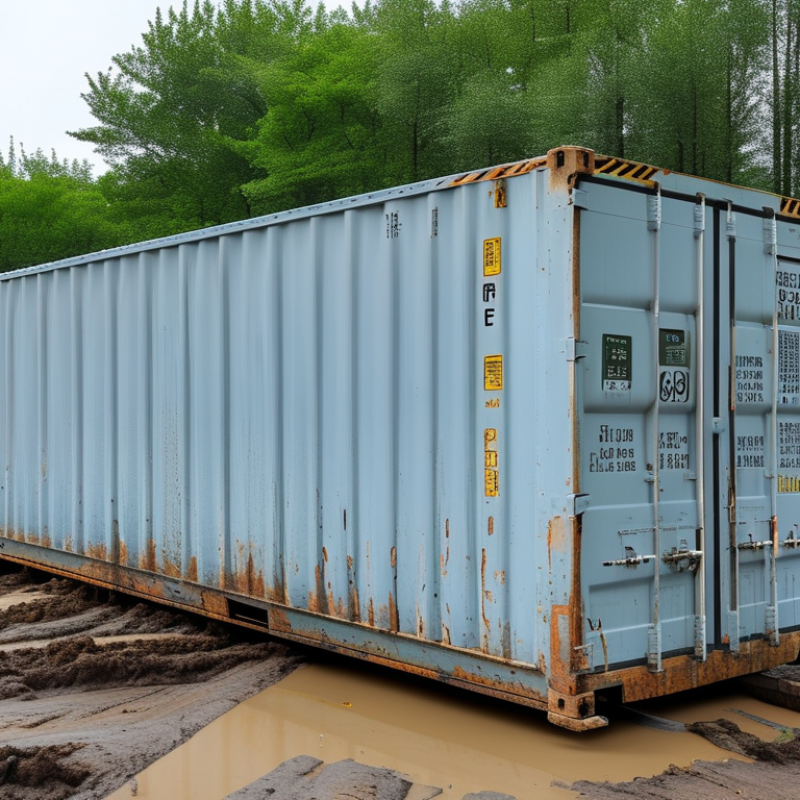
A free shipping container is not always completely free. The phrase usually describes a used or surplus intermodal container offered without a purchase charge. The recipient may still pay delivery, lifting, inspection, cleaning, or repair fees. Some sellers also use “free shipping” to mean shipping is included, which creates confusion.
These containers are built from weather-resistant steel and follow standardized dimensions. Their corner fittings allow cranes, trucks, and ships to handle them efficiently. UNCTAD’s Review of Maritime Transport 2024 reported that global seaborne trade grew by 2.4% in 2023. This continuing movement creates regular container imbalances.
Ports may hold more empty units than nearby exporters need, making local reuse practical. A container can become storage, a workshop, or a temporary site office. However, age and condition vary sharply. “Free” does not guarantee safety, watertight doors, or a clean interior.
Tips: Ask for the container’s age, inspection history, dimensions, and floor condition. Confirm delivery access before accepting it. Measure gates, turning space, and overhead clearance. Check local planning rules before modifying or installing the unit. A professional inspection is wise, even when the container costs nothing. Small defects can become expensive after transport.
How Free Container Programs Work
Free shipping containers often come from surplus stock, completed transport routes, or units that are no longer needed for export. A program owner offers them to farms, schools, community projects, or small businesses. The container itself may cost nothing. Delivery usually does not.
Applicants normally complete a form and explain the intended use, location, and access conditions. Staff may request photographs, land details, and proof of permission. Some programs prioritize urgent storage needs or community services. Others use a waiting list when demand exceeds supply. The process sounds simple, but it rarely is.
Before approval, the container should be inspected for structural damage, water leaks, flooring condition, and locking points. A practical inspection matters more than attractive photographs. Recipients may still pay for transport, lifting equipment, foundations, local taxes, repairs, or permits. These costs can surprise inexperienced users. Check the written terms carefully. Ask who handles damage during delivery.
Experienced operators also confirm road width, overhead cables, turning space, and ground stability before scheduling transport. A narrow entrance can stop the entire project. Local building and planning rules may apply, even when the container is free. Conditions vary widely. Not every offer is equally transparent. Reflecting on those gaps is important, because a “free” unit can become expensive when preparation is overlooked.
Why Free Shipping Containers Are Popular Worldwide
Free shipping containers are popular worldwide because they connect global trade with practical local needs. UNCTAD’s Review of Maritime Transport 2024 states that over 80% of global merchandise trade by volume moves by sea. The same report recorded 2.4% growth in maritime trade during 2023. More cargo means more empty containers waiting near ports, depots, and inland terminals. Owners may offer them at no purchase price to reduce storage pressure and repositioning costs.
Small businesses, farmers, builders, and households see clear value. A clean container can become temporary storage, a workshop, or a secure site office. Steel walls provide weather resistance, while standard dimensions simplify transport and placement. It feels almost free.
However, “free” rarely means costless. Delivery, crane hire, inspection, repainting, flooring, and local permits can exceed the container’s value. Damage is also easy to miss, especially around door seals and corner castings. Practical checks should confirm structural condition and previous use.
The World Bank’s Logistics Performance Index 2023 gathered responses from logistics professionals across 139 economies. Its findings highlight reliability, shipment visibility, and infrastructure as major supply-chain concerns. Free containers can support these systems, but only when availability is verified. A container located hundreds of miles away may create a poor bargain. That uncomfortable detail deserves more attention.
Why Are Free Shipping Containers So Popular Worldwide?
Global container port throughput has remained at historically high levels, showing the worldwide dependence on standardized shipping containers. Their durability, stackability, weather resistance, and compatibility with road, rail, and sea transport also make surplus or free containers attractive for storage, workshops, housing projects, and other reuse applications.
Global container port throughput, measured in million twenty-foot equivalent units (TEUs). Figures are rounded estimates based on data reported in the UNCTAD Review of Maritime Transport.
Common Uses and Benefits of Free Shipping Containers
Free shipping containers are popular because they solve practical space problems quickly. “Free” often means delivery is included, not that the container costs nothing. This distinction matters. A used 20-foot container offers about 33 cubic meters of internal space, based on dimensions defined by ISO 668. It can become a dry storage room, site office, workshop, farm equipment shelter, or temporary classroom. Steel walls resist rain and rough handling. Locking doors add basic security. However, rust, floor damage, and poor ventilation can reduce its value.
Their wider usefulness also reflects global logistics demand. UNCTAD’s Review of Maritime Transport 2024 reported that maritime trade reached about 12.3 billion tons in 2023. Many containers move far from major ports after their first cargo journey. Affordable repositioning can make them available for local projects, especially where permanent construction is slow or expensive. They are stackable, transportable, and adaptable with insulation, lighting, shelving, or side openings. Construction teams often prefer them because installation can take days, not months. That said, modification costs are easy to underestimate. Cutting steel may require engineering checks, and hot climates can make an uninsulated unit uncomfortable. A container is useful, but it is not automatically a safe building. Inspect the floor, doors, roof, airflow, and delivery access before accepting a “free” offer.
Why Are Free Shipping Containers So Popular Worldwide? - Common Uses and Benefits of Free Shipping Containers
| Common Use | Typical Container Type | Relevant Standard Dimensions | Primary Benefits | Important Considerations |
|---|---|---|---|---|
| Cargo Transportation | 20-foot or 40-foot dry container | 20 ft: 6.06 m long 40 ft: 12.19 m long |
Stackable, weather-resistant, reusable, and compatible with ships, railways, and trucks. | Inspect the floor, doors, corner castings, and certification status before international transport. |
| Residential and Commercial Storage | Standard dry container | Approx. internal width: 2.35 m Approx. internal height: 2.39 m |
Provides lockable storage without permanent construction and can be relocated when requirements change. | Ventilation, moisture control, local placement rules, and a suitable foundation may be necessary. |
| Workshops and Equipment Rooms | 20-foot or 40-foot high-cube container | High-cube external height: about 2.90 m | Offers a durable enclosed shell that can be modified with lighting, insulation, electrical systems, and shelving. | Alterations should account for structural strength, fire safety, ventilation, and electrical regulations. |
| Temporary Offices and Site Facilities | Modified dry container or high-cube container | Common footprint: about 14.8 m² for a 20-foot unit | Can be installed faster than many permanent structures and reused at different construction or event sites. | Planning permission, insulation, climate control, emergency exits, and accessibility requirements may apply. |
| Retail Kiosks and Pop-Up Spaces | Modified 20-foot container | External footprint: about 13.9 m² for a standard 20-foot unit | Creates a recognizable modular space with a compact footprint and relatively simple transportation logistics. | Windows, service openings, signage, public access, plumbing, and local commercial permits must be planned. |
| Emergency Relief and Community Facilities | Dry container or refrigerated container, depending on the purpose | Common lengths: 20 ft and 40 ft | Supports rapid deployment for supplies, medical equipment, temporary classrooms, and field operations. | Units should be checked for cleanliness, structural condition, insulation needs, and suitability for the stored materials. |
| Agricultural Storage | Dry container or ventilated container | Typical internal length: about 5.90 m in a 20-foot unit |
Protects tools, packaged goods, and non-perishable supplies from rain, wind, and unauthorized access. | Condensation can damage contents, so airflow, desiccants, raised pallets, and temperature management may be required. |
| Cold-Chain Storage | Refrigerated container | Common operating range: approximately -25°C to +25°C, depending on the unit |
Provides temperature-controlled space for food, pharmaceuticals, and other temperature-sensitive goods. | Requires a reliable power supply, regular maintenance, temperature monitoring, and appropriate hygiene procedures. |
| Modular Housing Projects | Several modified dry or high-cube containers | Module length commonly based on 20-foot or 40-foot units | Allows repeatable modular planning, off-site fabrication, and potential reuse of the structural modules. | Professional design is required for foundations, insulation, fire resistance, ventilation, plumbing, and building-code compliance. |
| Why Free or Low-Cost Shipping Is Attractive | Any suitable container type | Transport cost depends on distance, route, weight, equipment, and delivery access | Reducing delivery expenses can make container reuse more economical, especially for nearby projects and multi-unit purchases. | “Free shipping” may have conditions such as a limited delivery area, minimum order, access restrictions, or additional unloading fees. |
| Dimensions are typical ISO container measurements and can vary by manufacturer, container series, interior fittings, and age. Local transport, zoning, building, safety, and environmental regulations should be verified before use. | ||||
Challenges and Considerations for Users
Why Are Free Shipping Containers So Popular Worldwide?
Challenges and Considerations for Users
Free shipping containers attract users because they appear to reduce storage, transport, or construction costs. However, “free” rarely means cost-free. Delivery, lifting equipment, ground preparation, insurance, and local permits may still require payment. A container may also have dents, surface rust, damaged door seals, or a weakened floor. Those details matter when protecting tools, documents, or machinery. Inspect the unit in daylight before accepting it. Ask for its age, previous use, dimensions, and maintenance records.
Tips: Measure the access route first. Check door movement and roof leaks. Confirm delivery fees in writing. Use a qualified inspector for valuable contents.
Location creates another challenge. A large truck needs stable ground, turning space, and enough overhead clearance. Soft soil can cause uneven loading and difficult door operation. Users should also check zoning rules, fire separation requirements, and permit conditions before placement. Local weather deserves attention too. In humid coastal areas, salt air can accelerate corrosion. In cold regions, condensation may damage stored items. Ventilation helps, but careless modifications can reduce structural strength. Cutting openings or adding shelves without technical advice may create safety problems. A careful plan is better than a disappointing bargain.
Related Posts
-
Why Choose Shipping Containers for Your Next Project?
-

Tips to Find Free Shipping Containers for Your Business Needs?
-
Where to Find Free Shipping Containers for Your Needs?
-
What is the Best Source for Free Shipping Containers?
-
What is a Sea Container and How Does it Work?
-

10 Essential Tips for Finding Discount Shipping Containers Online?