

How to Choose the Right Cargo Containers for Global Shipping

Choosing the right cargo containers can determine whether a shipment arrives safely, efficiently, and on schedule. The decision involves more than selecting a standard steel box. Cargo type, dimensions, weight, climate, handling equipment, route, and delivery conditions all matter. A moisture-sensitive product may require a ventilated container. Frozen goods need dependable temperature control. Oversized machinery may need an open-top or flat-rack design.

Lars Jensen, a respected container-shipping analyst, has said, “A container is not just a box; it is part of a wider transport system.” That perspective is essential. A container must work with ports, vessels, railways, trucks, warehouses, and loading procedures. Small choices matter. For example, measuring the cargo only at its base can overlook height restrictions, door clearance, or safe lashing space. A few centimeters can change the entire plan.

Reliable selection also requires checking container condition, maximum payload, internal dimensions, and certification records. Refrigerated units deserve special attention because temperature failures can damage valuable goods within hours. Route availability should be confirmed before booking, especially for specialized equipment. The cheapest container is not always the most economical choice. Delays, repacking, cargo damage, and extra handling can cost far more.

There is no perfect formula. Real shipments can expose assumptions that looked reasonable on paper. A careful comparison, supported by experienced freight professionals and verified carrier information, reduces that risk. This guide explains how to evaluate cargo containers with practical details, clearer questions, and fewer expensive surprises.
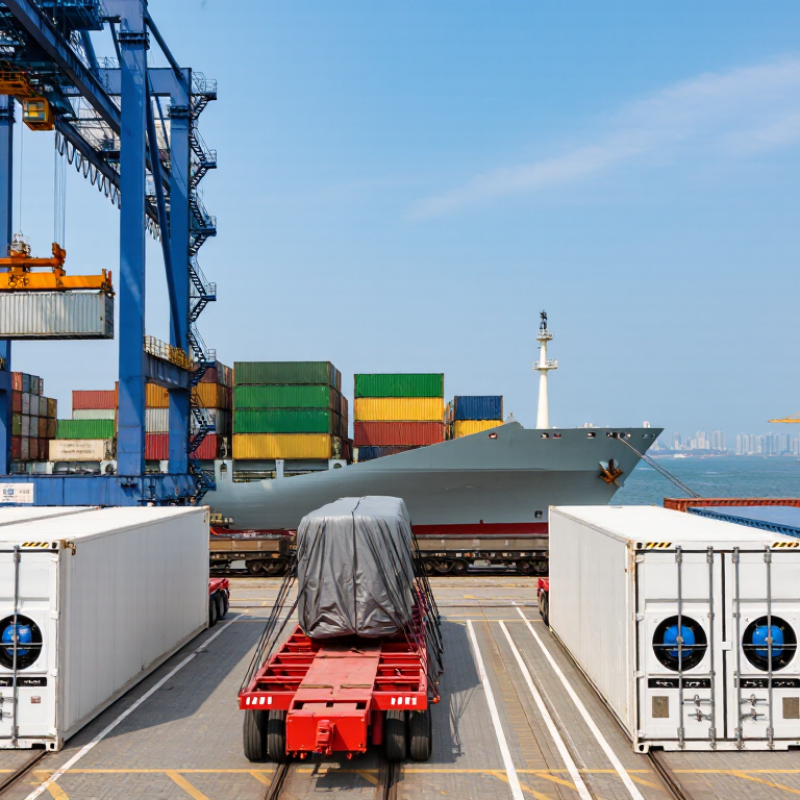
How to Choose the Right Cargo Containers for Global Shipping

Understanding Cargo Container Types and Their Global Uses

Choosing a cargo container starts with the product, route, and handling conditions. UNCTAD’s Review of Maritime Transport 2024 reports that ships carry over 80% of global merchandise trade by volume. Container selection therefore affects cost, safety, and delivery reliability.

A standard dry container suits boxed goods, furniture, and machinery. Refrigerated containers protect meat, fruit, medicines, and other temperature-sensitive cargo. Open-top units help load tall machinery with cranes, while flat racks support oversized equipment. Tank containers carry approved liquids under strict technical controls. ISO 668 defines common container dimensions, but internal capacity still varies by design and cargo weight. A 40-foot unit offers more volume, not always more usable space. Heavy cargo may reach the weight limit first.

Tips: Match the container to the cargo’s height, weight, moisture risk, and loading method. Check the CSC safety plate before dispatch. Inspect door seals, floor damage, and visible corrosion. The World Bank’s Logistics Performance Index 2023 shows that tracking and shipment reliability remain major logistics concerns. A poorly chosen container can worsen both. I once saw a team select by volume alone; the cargo fitted, but loading equipment could not reach it. That mistake was preventable. Leave clearance around fragile goods, record temperature requirements clearly, and confirm destination equipment before booking. The cheapest option can become expensive at the final terminal.

Assessing Cargo Size, Weight, and Loading Requirements

How to Choose the Right Cargo Containers for Global Shipping

Cargo selection should begin with measurements, not container availability. Record each pallet’s length, width, height, gross weight, and center of gravity. A standard 20-foot container offers roughly 33 cubic meters, while a 40-foot unit provides about 67 cubic meters. Payload limits vary by equipment and route. Weight is unforgiving.

UNCTAD’s Review of Maritime Transport 2024 confirms that more than 80% of global trade by volume moves by sea. That scale makes small loading errors expensive. Place dense cartons low and near the centerline. Keep lighter packages above them. Leave no hidden voids where cargo can shift during rolling motion. Measure twice. Then calculate axle, floor, and total container limits before booking. The verified gross mass must match the actual packed weight, not an estimate copied from an old order.

The World Shipping Council’s Containers Lost at Sea Report 2024 recorded 221 containers lost in 2023. The figure was low compared with annual container movements, but one poorly secured load can still damage nearby cargo. Use blocking, bracing, anti-slip material, and rated straps when needed. A 40-foot container may look efficient, yet it can waste space when cartons are short, irregular, or difficult to stack. In practice, a smaller container sometimes reduces movement and handling risk. That is easy to overlook. Recheck door clearance, forklift access, moisture protection, and unloading sequence. A perfect volume calculation can still fail at the warehouse door.

Selecting Containers for Climate, Security, and Product Protection

Choosing the right container begins with the cargo’s exposure profile, not its dimensions. UNCTAD’s Review of Maritime Transport 2024 reports that shipping carries over 80% of global trade by volume. A small climate mistake can therefore affect long supply chains. For moisture-sensitive goods, use a dry container with a clean floor, intact door gaskets, and desiccants. Ventilated units may help products that release moisture. Temperature-sensitive cargo needs a refrigerated container, with pre-cooling and continuous temperature records.

Security also protects product quality. Inspect the container before loading. Photograph dents, stains, flooring, and locking bars. Use tamper-evident seals, accurate seal records, and controlled access during stuffing. The World Shipping Council’s Containers Lost at Sea report recorded 576 containers lost overboard in 2024. Secure packing matters, even when cargo never leaves the container. Heavy cartons should stay low, while voids need bracing. Poor weight distribution can turn ordinary waves into expensive damage.

Product protection requires practical evidence, not assumptions. Place temperature and humidity sensors near the cargo, not beside the door alone. Check readings after loading, transshipment, and final delivery. For fragile goods, combine edge protection, cushioning, and clear handling marks. One detail is often missed: condensation can form when a cold container enters a warm port. I would review route forecasts and cargo data before selecting equipment. The first choice may be wrong. That is why a documented pre-shipment trial, even for one container, can reveal hidden risks before a full booking.

How to Choose the Right Cargo Containers for Global Shipping

Selecting containers for climate control, security, cargo compatibility, and product protection

Container Type Typical Internal Dimensions Typical Maximum Payload Climate Protection Security and Protection Features Best-Suited Cargo Key Limitations and Selection Notes
20-Foot General Purpose Length: 5.90 m
Width: 2.35 m
Height: 2.39 m
Volume: approximately 33 m³
Approximately 28,000 kg, subject to the container's tare weight and route restrictions Weather-resistant steel enclosure; no active temperature or humidity control Locking cargo doors, corrugated steel walls, solid floor, and protection from rain and salt spray when properly closed Dense machinery Metal products Packaged goods Palletized cargo Suitable when cargo can tolerate ambient temperature changes. Heavy goods may reach the payload limit before the container is full.
40-Foot General Purpose Length: 12.03 m
Width: 2.35 m
Height: 2.39 m
Volume: approximately 67 m³
Approximately 26,000–28,000 kg, depending on tare weight and transport regulations Weather-resistant enclosure; passive protection only, with no active temperature control Enclosed steel body, lockable doors, standardized corner fittings, and protection against ordinary handling exposure High-volume packaged goods Furniture Textiles Consumer products Offers more volume than a 20-foot unit but not necessarily more payload. Cargo must be blocked and braced to prevent shifting.
40-Foot High Cube Length: 12.03 m
Width: 2.35 m
Height: 2.70 m
Volume: approximately 76 m³
Approximately 26,000–28,000 kg, subject to tare weight and route limits Passive weather protection; extra vertical space improves loading efficiency but does not control temperature Enclosed steel construction, lockable doors, and additional interior height for protective dunnage or taller cargo Lightweight bulky goods Furniture Machinery parts Retail cargo The greater height can increase the risk of load movement if the upper space is not properly filled, braced, or secured.
Refrigerated Container Common external length: 20 or 40 ft
Internal volume is lower than an equivalent dry container because of insulation and machinery
Often approximately 27,000–29,000 kg, depending on size, tare weight, and operating limits Active temperature control; commonly supports set points from approximately -30°C to +30°C, depending on equipment and cargo requirements Insulated walls, powered refrigeration unit, air circulation system, temperature data recording, and controlled ventilation Fresh produce Frozen food Pharmaceutical products Temperature-sensitive chemicals Requires a continuous electrical supply at terminals and during vessel transport. Cargo must be pre-cooled; the unit is designed to maintain temperature rather than rapidly cool warm cargo.
Ventilated Container Commonly based on a 20-foot format; internal dimensions are similar to a general-purpose container but may vary by design Often approximately 27,000–28,000 kg, subject to tare weight and route restrictions Passive airflow through designed vents; no active cooling, heating, or precise humidity control Enclosed structure with controlled ventilation that helps reduce condensation and heat accumulation Coffee beans Cocoa Certain agricultural products Moisture-sensitive cargo Ventilation is not a substitute for refrigeration. Cargo packaging must allow airflow and protect against external humidity.
Open-Top Container Commonly available in 20 or 40 ft formats; height clearance is increased by removing the rigid roof Often approximately 26,000–28,000 kg, depending on tare weight and local restrictions Limited weather protection; a removable tarpaulin can cover the opening but is less protective than a fixed steel roof Strong steel base and walls, lashing points, and top-loading capability for cargo that cannot pass through standard doors Oversized machinery Scrap metal Stone products Industrial equipment Not ideal for cargo requiring strong water, dust, or tamper protection. Cargo height and lashing arrangements require advance approval.
Flat Rack Container Commonly 20 or 40 ft; end walls may be fixed or collapsible, with open sides and top Payload varies widely; many units support approximately 25,000–40,000 kg, subject to design and route limits Minimal climate protection; cargo is exposed unless separately wrapped, covered, or otherwise protected Heavy-duty floor, reinforced corner posts, and multiple lashing points for securing oversized or concentrated loads Transformers Construction equipment Pipes Large industrial components Requires a detailed cargo securing plan. Width, height, weight distribution, and over-dimensional handling charges must be confirmed before booking.
Platform Container Usually 20 or 40 ft with a reinforced base and no side walls or end walls Payload depends on the platform design and may be approximately 25,000–40,000 kg No built-in protection from temperature, rain, dust, or humidity Reinforced platform, structural corner fittings, and engineered lashing points for exceptionally large or heavy cargo Project cargo Heavy machinery Large tanks Oversized structures Cargo needs independent weatherproofing and engineering review. It is unsuitable for products requiring enclosed security or environmental control.
Tank Container Typically fits within a standard 20-foot footprint; tank capacity often ranges from approximately 14,000 to 26,000 liters Payload depends on liquid density, tank tare weight, and applicable road, rail, and maritime regulations Some units provide insulation or heating; active temperature control is not universal Stainless-steel tank, protected valves, pressure-relief equipment, and secure frame compatible with intermodal handling Liquids Food-grade products Industrial chemicals Liquid waste Product compatibility, cleanliness, pressure rating, dangerous-goods classification, and loading procedures must be verified before use.
Insulated Container Usually based on a 20 or 40 ft format; internal volume is reduced by insulated panels Often approximately 26,000–28,000 kg, depending on the container specification Passive insulation slows temperature change but does not maintain a set temperature without an external cooling or heating system Insulated walls and ceiling provide thermal buffering and reduce exposure to short-term ambient fluctuations Chocolate Cosmetics Temperature-sensitive materials Short-duration thermal shipments Not appropriate for long routes or cargo with strict temperature limits unless paired with validated thermal packaging or active control.

Note: Dimensions, payloads, temperature ranges, and capacities are typical industry values. Actual limits vary by container construction, tare weight, cargo density, loading method, transport mode, and local regulations.

Checking International Shipping Standards and Transport Compatibility

Choosing a cargo container starts with international standards, not appearance. A clean exterior does not prove safe transport. Check the container’s identification plate, structural condition, and inspection status before booking. The CSC plate confirms that the unit meets recognized safety requirements for international movement. Verify its validity and match the stated maximum gross mass with your cargo plan.

Dimensions also affect compatibility. Standard 20-foot and 40-foot containers suit general freight, but internal measurements vary slightly. Measure pallets, doors, and turning space carefully. A few centimeters can change the loading result. Confirm the container’s payload, floor strength, corner castings, and locking points. These details support safe handling at ports, terminals, and warehouses.

Transport equipment must match the container throughout the route. Confirm that trucks, rail wagons, cranes, and vessel slots accept the selected size. Temperature-sensitive cargo needs a compatible refrigerated unit, a stable power supply, and verified temperature settings. Inspect seals, ventilation, drainage, and locking bars before loading. I still recheck measurements, even after repeated shipments. Planning can fail in small ways. No checklist is perfect. Keep photographs and inspection records for each handover. Clear records improve traceability and help resolve disputes when condition or weight becomes uncertain.

Comparing Costs, Availability, and Environmental Considerations

Choosing a cargo container starts with the shipment, not the cheapest quotation.

A standard dry container suits boxed goods, while refrigerated or ventilated units require stricter planning. UNCTAD’s Review of Maritime Transport 2024 reports that maritime shipping carries over 80% of global trade by volume. Demand is therefore uneven across routes. Containers may be plentiful at export hubs but scarce at inland terminals. Location changes the real cost.

Purchase prices can look attractive, yet repositioning, inspection, storage, and repairs often decide the final bill.

Leasing may protect cash flow during uncertain seasons. Buying can work better for regular, predictable lanes. The World Bank’s Container Port Performance Index 2023 recorded an average port stay of about 62.5 hours globally. Delays reduce equipment availability and can create expensive empty-container movements. Small booking errors become visible quickly.

Environmental performance also deserves a measurable comparison.

The International Maritime Organization’s Fourth Greenhouse Gas Study estimated shipping produced 2.89% of global greenhouse-gas emissions in 2018. A reusable container can reduce repeated manufacturing demand, but its environmental value depends on distance and utilization. Choosing a nearby unit may be better than selecting a newer one from another region. That is not always obvious.

Procurement teams should compare total cost, expected reuse cycles, and transport emissions together. I would also challenge optimistic utilization forecasts; real shipments rarely fill every container perfectly.