Top Tips for Efficient Storage for Shipping Containers?
Storage for shipping containers is a vital aspect of logistics and transportation. Many businesses rely on containers to protect their goods during transit. However, without proper storage, containers can become disorganized. This leads to inefficiencies and potential damage.
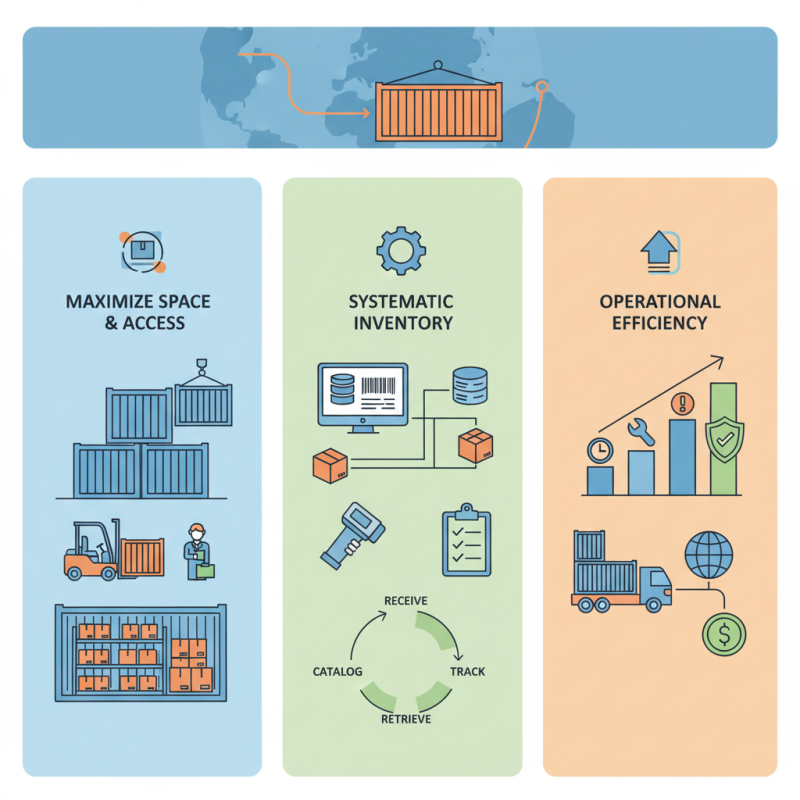
To maximize space and ensure easy access, consider various storage methods. For instance, stacking containers can save ground space, but it requires careful planning to avoid accidents. Utilizing specialized equipment can also improve access and safety.
Additionally, many overlook the importance of inventory management. Keeping accurate records of container contents prevents confusion. A systematic approach ensures that every item is accounted for. Reflecting on these strategies can lead to better operational efficiency. Ultimately, effective storage for shipping containers plays a crucial role in successful shipping and logistics.
Understanding the Basics of Shipping Container Storage
When considering shipping container storage, understanding the basics is essential. Shipping containers offer robust protection for goods. They come in various sizes, typically 20 and 40 feet long. This versatility allows for adaptability in different shipping needs.
Proper stacking and organization within containers enhance efficiency. Arrange items by weight and size. Heavier items should be on the bottom, with lighter ones above. This method utilizes space effectively and reduces damage risk. Additionally, labeling boxes and containers can save time during retrieval. Inadequate organization can lead to confusion and delays.
Ventilation is often overlooked. Containers can trap moisture, leading to mold or rust. Ensure airflow by keeping the doors slightly ajar when not in use. You might face challenges in maintaining optimal conditions. Regular inspections can address potential issues early. A little extra effort can prevent significant losses later.
Top Tips for Efficient Storage for Shipping Containers
This chart illustrates the key factors affecting the efficiency of shipping container storage, showing the importance of organization, accessibility, and space utilization.
Assessing Your Storage Needs Before Choosing a Container
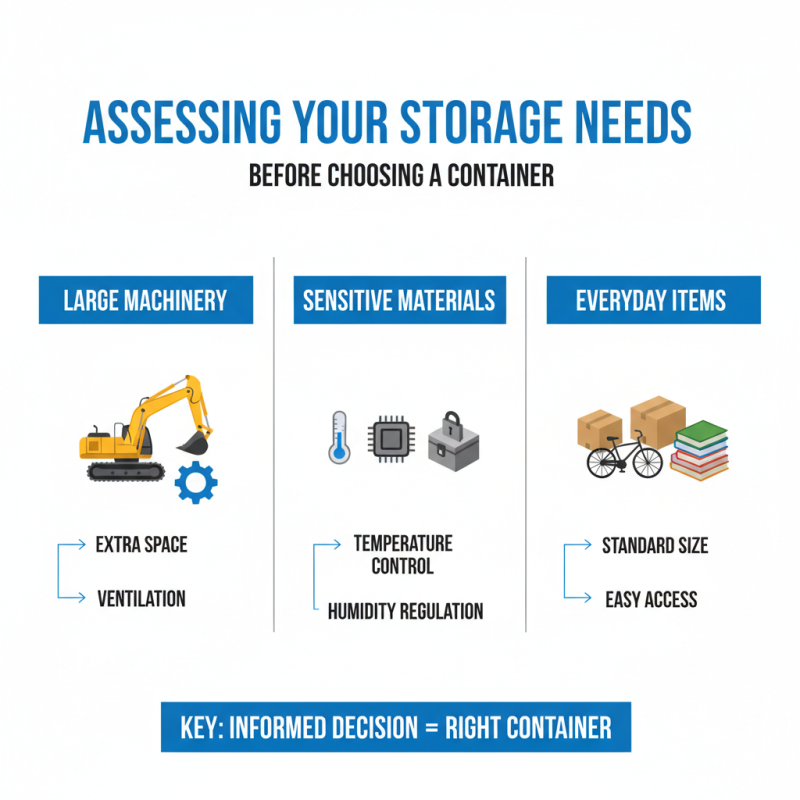
When assessing your storage needs, consider what items you plan to store. Are they large machinery, sensitive materials, or everyday items? Each category has unique requirements. For example, machinery may need extra space for ventilation. Sensitive materials often need temperature control. Understanding what you require is key to making an informed decision.
Space dimensions matter immensely. Measure not only the full length and width but also the height. You want to maximize every inch of storage available. Some users overlook these factors and end up with less space than anticipated. Discuss your options with storage experts. They may offer insights you haven’t considered. Remember to factor in accessibility. Storing items you need frequently in hard-to-reach areas can lead to inefficiency.
Reflect on the container's condition too. A well-maintained container can drastically enhance your storage experience. Check for signs of wear and tear, as this could impact your items. Use rust-resistant coatings if needed. Many people disregard these details, leading to future headaches. Finally, don’t forget to consider security features. Invest in a container with robust locking systems to protect your investment.
Organizing Items for Maximum Space Efficiency in Containers
When it comes to efficient storage in shipping containers, organization is key. Begin by categorizing your items. Group similar items together, such as tools, clothing, or electronics. This method not only saves space but also makes locating belongings easier. Use labeled boxes for better identification, and stack them high. However, remember that some items might be too heavy or bulky to stack.
Maximize vertical space by utilizing shelves or pallets. These solutions take advantage of the height inside the container. You can use simple wooden or plastic crates to create layers. Just be careful with weight distribution; heavier items should be at the bottom. Avoid overpacking, as this can lead to damages.
Consider using vacuum-sealed bags for clothing or textiles. They reduce the space occupied and keep items safe. However, make sure not to compress sensitive items too much. Some things may lose their shape or integrity. Regularly assess what you store. Some items may no longer be useful. Periodic decluttering helps maintain efficiency and saves room for new items.
Implementing Climate Control and Ventilation Solutions
When it comes to shipping containers, climate control and ventilation are vital. These elements affect the contents’ integrity, especially sensitive items. Proper ventilation helps dissipate heat and moisture, reducing damage risks. Without it, humidity can lead to mold or rust. Implementing exhaust fans can greatly enhance airflow within the container.
Insulation also plays a crucial role in climate control. Insulated containers maintain more stable temperatures, preventing extreme fluctuations. This is especially important in regions with harsh weather. Consider using breathable materials to balance airflow while keeping out unwanted moisture. It's essential to regularly check for signs of condensation.
Reflect on your container's placement. Is it in direct sunlight? This can raise internal temperatures, even with venting systems in place. Environmental factors are not always controllable, so ongoing assessment is necessary. Finding effective solutions requires trial and error. The diversity of cargo means that one size does not fit all. Adjustments may be needed as seasons change.
Safety and Security Measures for Container Storage Optimization
Storing shipping containers efficiently requires a focus on safety and security. Proper safety measures protect not only the containers but also the stored goods. Invest in good lighting systems around your storage area. Well-lit spaces deter unauthorized access and enhance visibility during inspections.
Regular maintenance is crucial. Containers should be inspected for vulnerabilities, such as rust or structural damage. Such oversight often goes unnoticed until it leads to serious problems. Implementing a clear labeling system for your stored items helps in tracking contents and reducing clutter. A systematic approach ensures easy access and minimizes the chance of accidents.
Consider investing in high-security locks and surveillance systems. These tools can significantly improve security. However, a sole reliance on technology can create complacency. Regular audits of security practices are vital. Reflecting on past incidents helps identify weaknesses and informs future improvements. Always be proactive rather than reactive regarding safety and security.