

Why Are Steel Containers for Storage a Smart Choice?
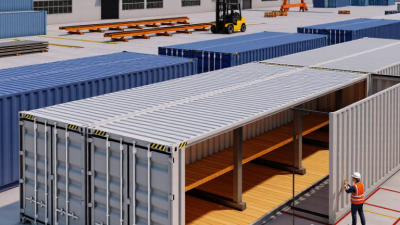
When storage decisions involve weather, space, and security, steel containers for storage offer a practical starting point. Their corrugated steel walls resist rain, wind, and everyday impacts. A lockable cargo door helps protect tools, records, machinery, and seasonal equipment. The unit arrives ready for use. That saves construction time. Malcolm McLean, the pioneer of modern container shipping, is widely credited with saying, “The container is the most important invention in transportation since the wheel.” His observation reflects their basic strength: standardized steel can move and store valuable goods efficiently.
A typical 20-foot container provides a compact footprint with useful internal volume. Forklift access, shelving, and pallet placement can turn an empty box into an organized store. Weather-resistant paint adds protection, while raised placement can reduce contact with standing water. Good practice still matters. Inspect door seals. Check ventilation. Monitor condensation. Steel can corrode when moisture remains trapped inside. This is where experience changes the buying decision. A clean, sound container may outperform a cheaper unit with bent doors or a damaged floor. Ask for inspection photos, delivery details, and clear condition grades. Reliability begins before delivery.
Yet steel containers for storage are not perfect for every site. Their dark interiors can become hot under direct sunlight. Poor planning may also waste usable height. Insulation, vents, lighting, and shelving can solve some problems, but they add cost. Local site requirements should be reviewed by qualified professionals. Think beyond the price tag. Measure the access route. Picture opening the doors after heavy rain. The smartest choice balances durability, maintenance, security, and future use. Sometimes, a smaller container is wiser. Sometimes, it is not.
What Are Steel Storage Containers?
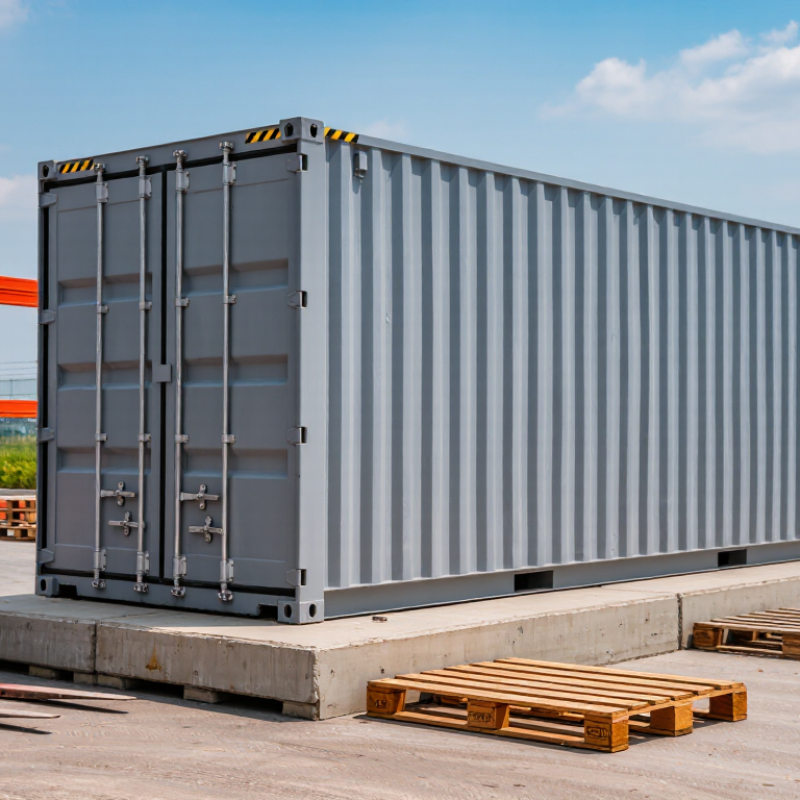
Steel storage containers are rigid, modular units made mainly from weather-resistant steel. They usually include corrugated walls, a framed roof, steel swing doors, and a load-bearing floor. Many began as intermodal freight containers, then moved into yards, farms, workshops, and construction sites. Their standardized dimensions make delivery and placement predictable. ISO 668 defines common external sizes, while ISO 1496-1 covers structural and testing requirements. This distinction matters. A certified cargo container is not automatically ideal for every storage job. Used units may have dents, repaired floors, or worn door seals. Inspect those details before loading.
Their strength is measurable, not merely promotional. The World Steel Association’s World Steel in Figures 2024 reports 1,892.6 million tonnes of crude steel produced globally in 2023. That scale supports broad fabrication and repair capacity. The association’s Steel Facts 2024 also identifies steel as the world’s most recycled material. For daily storage, the practical advantages are clear: steel resists impact, pests, and ignition better than many lightweight materials. Locking handles protect access, while vents can reduce condensation. Yet a sealed box can trap moisture. Not perfect. Practical site checks show that raised placement, drainage, seal inspections, and airflow matter as much as wall thickness. Internal shelving must match floor capacity and local safety requirements. A container is a tool, not a guarantee. Its value depends on condition, loading habits, and regular inspection.
Why Are Steel Containers for Storage a Smart Choice?
Steel storage containers are reusable, standardized enclosures designed to protect goods from weather and unauthorized access. Their modular dimensions make them practical for temporary or long-term storage.
Approximate internal storage volumes are calculated from commonly published ISO container dimensions. Actual capacity may vary by manufacturer, door configuration, and container condition.
How Steel Containers Are Built for Strength and Security
Steel containers are built around load paths, not appearance. Their corrugated steel panels spread impact across the walls, while corner posts carry much of the vertical force. Reinforced doors use locking bars, protected handles, and overlapping edges. These details make forced entry more difficult and reduce weak points around the opening.
The ISO 1496-1 standard requires freight containers to undergo stacking, lifting, floor, wall, and roof tests. The CSC framework also requires safety inspections before certified units enter service. These standards offer useful benchmarks for storage buyers, although a storage container is not automatically certified for every application. The World Shipping Council reported 661 containers lost at sea in 2023, from about 221 million transported units. That represents roughly 0.0003 percent, but it still shows why tested corner fittings and secure locking systems matter.
Steel also handles repeated outdoor exposure better than many temporary materials. Weathering steel surfaces develop protective oxidation, while raised floors help separate stored goods from wet ground. Still, steel is not magic. A damaged door seal can admit moisture, and condensation may form inside during daily temperature changes. Ventilation, level placement, and periodic inspection remain necessary. In practical use, inspect welds, hinges, locks, and corner posts after delivery. Small distortions can become expensive weaknesses. Data from standards and transport reports supports the design, but real security depends on installation and maintenance.
What Storage Problems Do Steel Containers Solve?
Why Are Steel Containers for Storage a Smart Choice?
What Storage Problems Do Steel Containers Solve?
Storage problems usually begin with uncertainty: too much inventory, limited floor space, and sudden project delays. Steel containers create enclosed capacity without permanent construction. According to UNCTAD’s Review of Maritime Transport 2024, more than 80% of global merchandise trade by volume moves by sea. That scale depends on standardized, stackable containers. The same design helps businesses add storage quickly and relocate it when site needs change.
Steel also addresses exposure and security concerns. ISO 1496-1 sets testing requirements for general-purpose freight containers, including strength, doors, and weather resistance. Their corten-steel walls resist rain, impact, and repeated handling better than many temporary structures. However, they are not completely maintenance-free. Condensation can form beneath the roof, especially when warm goods meet cold metal. Ventilation, pallets, moisture absorbers, and regular inspections remain necessary.
Space is the harder problem.
A container can separate seasonal stock, tools, documents, or equipment from busy work areas. It reduces clutter and protects usable indoor space. The World Steel Association reported global crude steel production of about 1.89 billion tonnes in 2023, reflecting steel’s enormous industrial supply base. That does not guarantee every container is suitable. Door seals, flooring, corrosion, and previous cargo history deserve careful checks. In practice, a cheaper unit may create higher repair costs later. Steel storage is smart, but only when selection and maintenance receive equal attention.
How Steel Containers Compare With Other Storage Options
Steel containers are often compared with wooden sheds, plastic units, and permanent storage buildings. Their main advantage is structural strength. Thick steel walls resist impact, heavy rain, and strong wind better than many lightweight alternatives. A sound locking system also reduces casual access. However, steel is not automatically secure. Weak doors, poor hinges, or careless placement can still create problems.
Compared with wood, steel needs less routine maintenance and does not rot or attract insects. Wood may feel warmer and look more natural, but it usually needs sealing and regular inspections. Plastic storage units are lighter and easier to move. They can suit small garden items, although heat may soften some materials and sunlight can cause gradual damage. Steel performs better for tools, machinery, and bulky equipment. It can feel excessive for a few seasonal boxes.
Permanent buildings offer better insulation, lighting, and daily comfort. They also require foundations, planning, and higher construction costs. Steel containers can be installed quickly on a level base, then fitted with vents, shelves, or insulation. In practical storage inspections, condensation is a detail people often overlook. Moist air can collect inside and damage metal tools, fabric, or cardboard. Ventilation helps, but it does not solve every climate problem. Rust protection also needs checking near scratches, cut edges, and coastal air. My view is slightly cautious: steel is durable, yet its performance depends heavily on preparation, placement, and maintenance.
Why Are Steel Containers for Storage a Smart Choice?
How Steel Containers Compare With Other Storage Options
| Evaluation Criteria | Steel Containers | Plastic Containers | Wooden Storage Units | Fabric Storage Structures |
|---|---|---|---|---|
| Structural Strength | Excellent Rigid construction supports heavy loads and frequent use. |
Good Suitable for light- to medium-duty storage, but walls can deform under heavy loads. |
Good Strong when properly built, but vulnerable to moisture-related deterioration. |
Limited Flexible structure is generally intended for lighter loads and temporary use. |
| Security Against Forced Entry | Excellent Hard steel panels and lockable doors provide a strong physical barrier. |
Limited Plastic walls can be cut or forced with relatively simple tools. |
Moderate Security varies with thickness, framing, hinges, and lock reinforcement. |
Limited Fabric walls and zippers or lightweight closures offer low resistance to cutting. |
| Weather Resistance | Excellent Painted or corrosion-protected steel performs well outdoors when maintained. |
Good Resists water and rot, although ultraviolet exposure can make some plastics brittle. |
Moderate Requires sealing, drainage, ventilation, and regular inspection to limit moisture damage. |
Moderate Water-resistant fabrics are available, but seams and covers can wear over time. |
| Pest and Rodent Resistance | Excellent Solid steel does not provide a food source and is difficult for rodents to gnaw through. |
Good Usually resists gnawing better than fabric, but thin plastic can be damaged. |
Moderate Wood can be penetrated by insects or rodents if openings are not sealed. |
Limited Fabric can be punctured or chewed through by rodents and other pests. |
| Fire Behavior | Good Steel is noncombustible, although stored contents and interior finishes may still burn. |
Limited Many plastics soften, melt, or burn when exposed to high heat. |
Limited Wood is combustible and can contribute fuel to a fire. |
Limited Fabric materials may melt, burn, or suffer rapid heat damage unless specially rated. |
| Maintenance Requirements | Low to Moderate Inspect for scratches, corrosion, blocked drainage, and damaged seals. |
Low Usually requires cleaning and inspection for cracks, warping, or ultraviolet degradation. |
Moderate to High May require painting, sealing, pest control, and moisture management. |
Moderate Needs cleaning, tension checks, seam inspection, and replacement of worn covers. |
| Mobility and Relocation | Moderate Can be relocated with suitable lifting or transport equipment; heavier than other options. |
Excellent Lightweight and generally easy to move manually. |
Moderate Can be moved, but assembled units may require multiple people or equipment. |
Good Lightweight and often designed for disassembly, but vulnerable during transport. |
| Space Efficiency | Excellent Rigid walls allow efficient stacking and predictable internal dimensions. |
Excellent Many units are stackable and easy to nest when empty. |
Good Uses space efficiently, although wall thickness and framing reduce capacity. |
Moderate Requires clearance, anchoring space, and additional room for flexible walls. |
| End-of-Life Recycling Potential | Excellent Steel is widely recyclable and can be recovered through established scrap-metal systems. |
Moderate Recycling depends on resin type, local collection systems, and contamination. |
Good Clean, untreated wood may be reused, recovered, or processed into wood products. |
Limited Multi-layer fabrics, coatings, ropes, and fittings can complicate recycling. |
| Best-Suited Applications | Long-term outdoor storage, tools, equipment, inventory, construction materials, and high-security needs. | Household items, seasonal goods, lightweight equipment, and short- to medium-term storage. | Garden tools, household storage, workshops, and applications where appearance is important. | Temporary storage, vehicles, seasonal equipment, and situations requiring a quick installation. |
What Factors Should Guide Your Container Choice?
Choosing a steel container for storage depends on daily use, site conditions, and the items inside. Measure twice. A unit that looks spacious may become cramped after shelving, tools, or equipment arrive. Check door width, ceiling height, and turning space before ordering. If access is narrow, delivery clearance matters as much as internal capacity. I have seen buyers choose the lowest price, then pay more for difficult unloading and later modifications.
Condition and construction quality deserve careful inspection. Examine roof seams, corner posts, locking bars, floor panels, and signs of corrosion. Surface rust may be manageable, but weakened steel can create expensive problems. Used containers can offer good value, although fresh paint may hide repairs. Ask for inspection details and photographs from several angles. Keep it dry. Ventilation also matters because temperature changes can produce condensation inside. Vents may help, but sensitive contents could require controlled storage instead.
Think about security, drainage, and the foundation beneath the container. A level base reduces door problems and protects the floor from standing water. Check local placement requirements before delivery, especially near property boundaries or public access areas. Include transport, site preparation, repairs, locks, and ventilation in the real budget. Not always. My preference is to leave some spare capacity, though I sometimes overestimate future needs. Still, opening the doors without moving three other items is a practical advantage.
Related Posts
-
China Top Steel Containers for Storage Manufacturers?
-
2026 Top Storage Container Delivery Options for Your Needs?
-
Why Steel Containers for Storage Are the Best Solution for Your Space Needs
-
Why Choose Storage Container Delivery for Your Relocation Needs?
-
2026 How to Choose Steel Containers for Storage Solutions?
-

How to Choose Storage Container Delivery Worldwide?